Explore
Chengdu Travel Guide for First-Time Visitors: Pandas, Hotpot and Tea Houses
A practical and human Chengdu travel guide for first-time visitors to China, covering pandas, hotpot, teahouses, neighborhoods, day trips, transport, payment and common mistakes.
Chengdu is one of the best Chinese cities for first-time visitors who want to feel China at a slower, warmer pace. Come for the giant pandas, stay for the teahouses, hotpot, street snacks, parks, and the feeling that nobody is in a hurry to prove anything.
Quick Answer
Chengdu is a strong first-China city if you want food, pandas, tea houses, neighborhood walks, and a softer landing than Beijing or Shanghai. For most first-time visitors, 2 to 4 days works well. Two days is enough for pandas, a tea house, hotpot, and one or two city walks. Three days feels more humane. Four days lets you add Leshan, Mount Qingcheng, or Dujiangyan without turning the trip into a race.
If Beijing feels ceremonial and Shanghai feels polished, Chengdu feels lived-in. It is still a large, modern city, but its best moments are often simple: watching old friends sit over tea in People’s Park, hearing mahjong tiles click in the afternoon, seeing steam rise from a hotpot table, or realizing that the panda you woke up early to see is more interested in bamboo than in the hundreds of people whispering nearby.
If you are still deciding where to go first in China, compare Chengdu with Beijing, Shanghai, and Chongqing in our China city picker or read our guide to which Chinese city to visit first.
Why Chengdu Feels Different From Beijing or Shanghai
Chengdu is not a quiet small town. It has airports, metro lines, glass towers, shopping districts, and traffic like any major Chinese city. But the mood is different.
Beijing often asks you to look up: at gates, walls, history, power, and scale. Shanghai asks you to look forward: at skyline, design, speed, and money. Chengdu asks you to sit down for a while.
That is not just a poetic idea. Sitting is part of Chengdu’s rhythm. People sit in parks, tea houses, hotpot restaurants, noodle shops, and riverside cafes. They sit with friends, parents, children, coworkers, dates, playing cards, phones, cigarettes, thermos cups, and sunflower seeds. Chengdu’s charm is not only in what you visit. It is in how long people allow themselves to stay.
For foreign visitors, this can be comforting. China can feel intense on a first trip: payment apps, QR codes, huge train stations, the language barrier, and fast-moving crowds. Chengdu still has all of that, but it gives you more soft edges. A tea house can become a pause button. A hotpot dinner can become the evening’s whole plan. A panda morning can give structure to a day that otherwise does not need to be overplanned.
Who Should Visit Chengdu?
Chengdu is a good choice if you want your China trip to include more than monuments and skylines.
You will probably like Chengdu if:
- You want to see giant pandas in a serious conservation setting.
- You care about food and are curious about Sichuan flavors.
- You enjoy parks, tea houses, local neighborhoods, and slow afternoons.
- You want a softer first impression of urban China.
- You are interested in using Chengdu as a base for Leshan, Mount Qingcheng, Dujiangyan, or western Sichuan.
Chengdu may not be the best first choice if:
- You only have 5 to 6 days in China and want the most classic Beijing-Shanghai route.
- You dislike spicy or oily food and do not want to plan around that.
- You expect English to be widely spoken everywhere.
- You want every attraction to feel ancient, polished, and museum-like.
- You prefer fast, checklist-style sightseeing.
Chengdu rewards travelers who leave some blank space in the day. If you want a broader country-level shortlist before choosing, start with the best places to visit in China for first-time visitors.
How Many Days Do You Need in Chengdu?
For a first visit, 3 days is the sweet spot.
2 days in Chengdu
Choose this if Chengdu is part of a tight China itinerary.
Day 1 can cover the Panda Base in the morning, People’s Park or a tea house in the afternoon, and hotpot at night. Day 2 can be Jinli, Wuhou Shrine, Kuanzhai Alley, Taikoo Li, Chunxi Road, or a slower food-focused day.
This is enough to understand why people like Chengdu, but not enough to fully settle into it.
3 days in Chengdu
This is the best plan for most first-time visitors.
You can spend one day on pandas and tea houses, one day on city culture and food, and one day on a major side trip such as Leshan Giant Buddha, Dujiangyan, or Mount Qingcheng.
Three days gives you time to make a small mistake and recover from it: ordering food too spicy, choosing a crowded hour at an attraction, or needing extra time to make your payment app work.
4 days or more
Stay longer if you want to use Chengdu as a base for deeper Sichuan travel. With four or five days, the city becomes less of a destination and more of a comfortable base: one foot in urban China, one foot toward mountains, rivers, and the Tibetan edges of Sichuan.
Best Time to Visit Chengdu
Spring and autumn are usually the easiest seasons for a first Chengdu trip. The weather is more comfortable, parks and tea houses feel pleasant, and you are less likely to build the whole day around heat, rain, or heavy indoor breaks.
Summer can still be fun, especially if your main goal is food, but it is often humid and hot. If pandas are a priority, go early in the morning. Later in the day, especially in warmer weather, they may be less active or harder to see clearly.
Winter can be gray and damp, but it suits Chengdu better than many cities: hotpot feels right, tea houses still work, and the slower rhythm makes sense. The main caution is crowding. Chinese public holidays such as National Day and Spring Festival can make attractions, trains, and hotels much busier, so check opening hours, reservation rules, and transport schedules before you lock the route.
Best Things to Do in Chengdu
1. See the pandas early in the morning
For many visitors, the Chengdu Research Base of Giant Panda Breeding is the reason Chengdu enters the itinerary in the first place.
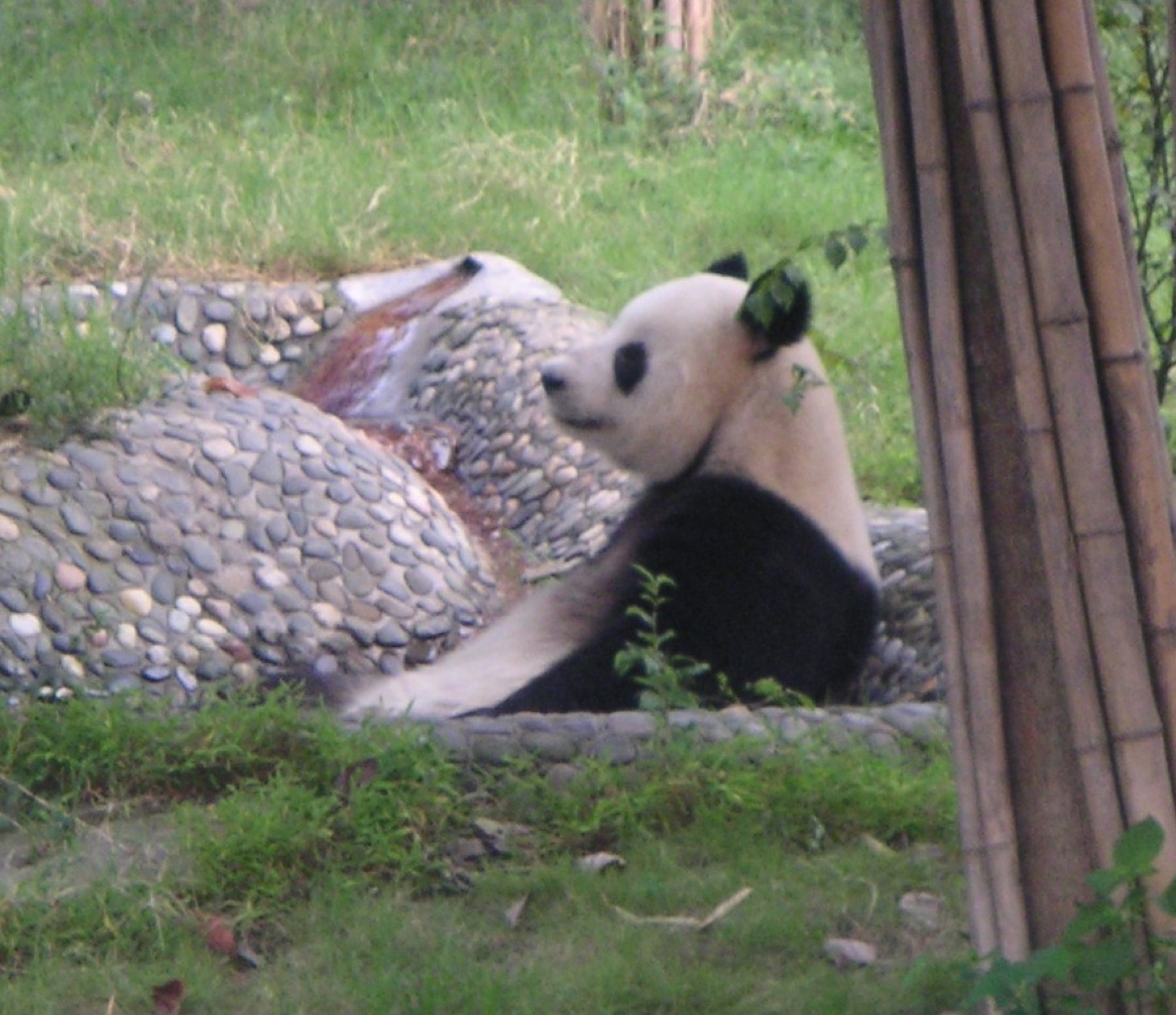
Go early. Not “after breakfast at 10:30” early, but properly early. Pandas are usually more active in the morning, especially when eating. Later in the day, especially in warm weather, they may become sleepy and retreat indoors. That can still be cute, but it is not the same as watching a panda sit with ridiculous seriousness over a pile of bamboo.
Do not treat the Panda Base like a quick photo stop. It is larger than many visitors expect, and the walking can add up. Wear comfortable shoes, bring water, and check the official reservation rules before you go. The official Panda Base ticket page currently says visitors should make an online real-name reservation and bring the valid ID document used for the booking. Reservation channels and entry rules can change, so check the official Panda Base ticket page before you go.
A good panda visit is not about seeing every enclosure. It is about giving yourself enough time to slow down, watch properly, and accept that the animals are not performers. They are pandas. Their schedule is mostly bamboo, sleep, and complete emotional independence from your travel plans.
2. Sit in a Chengdu tea house
If you only do one non-panda thing in Chengdu, sit in a tea house.
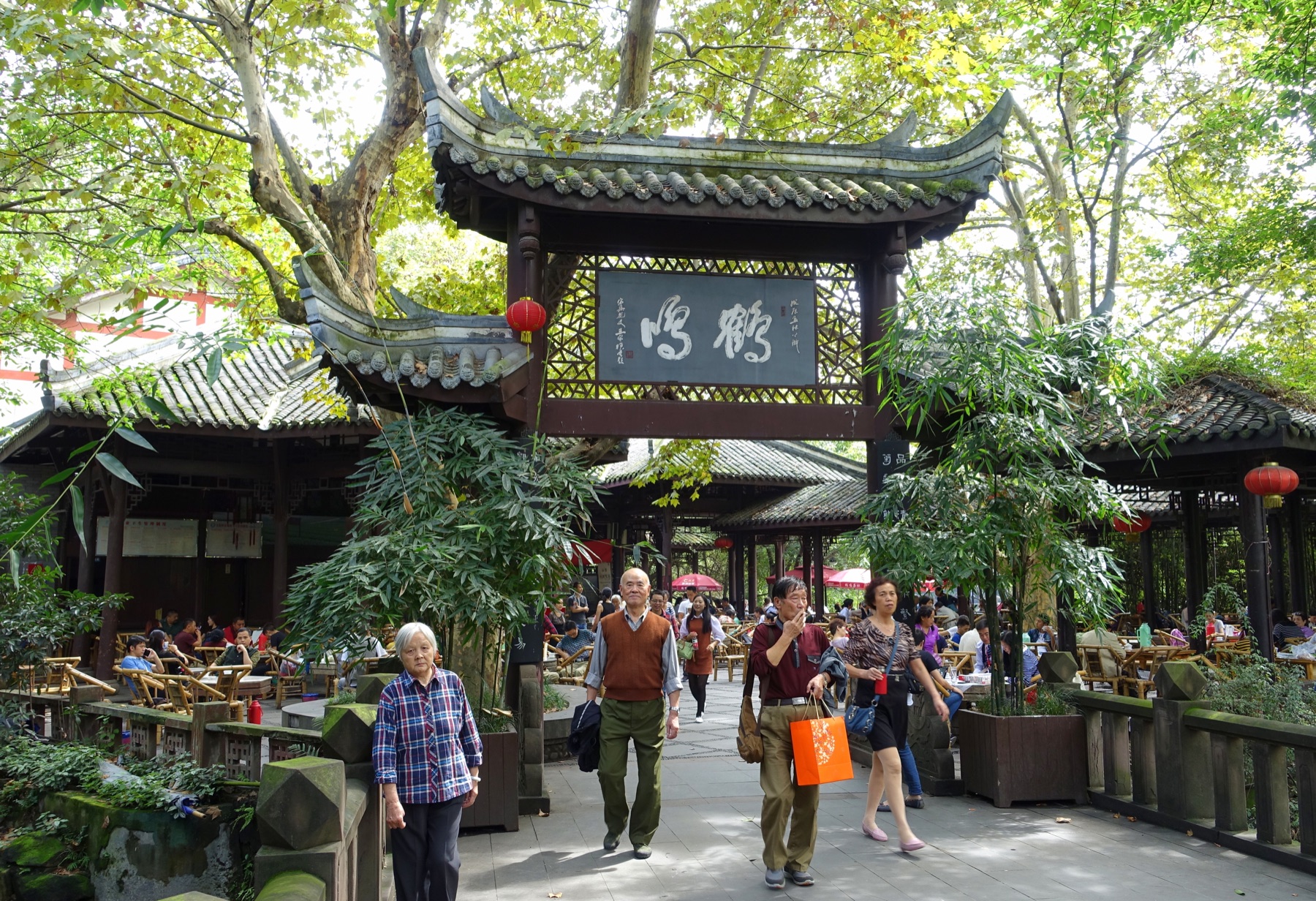
The easiest place for first-time visitors is People’s Park. It is central, atmospheric, and straightforward. You do not need to understand every tea variety. Order a cup of jasmine tea or green tea, sit down, and watch the city come to you.
At first, it may feel like nothing is happening. Then you start to notice everything: people chatting for hours, retirees reading, friends leaning back in bamboo chairs, cups being refilled, mahjong sounds nearby, someone getting their ears cleaned, a server moving through tables with a kettle.
For many foreign visitors, this is the moment Chengdu makes sense. The city is not asking you to consume another attraction. It is asking whether you can sit still long enough to feel the local rhythm.
3. Eat hotpot, but respect the spice
Chengdu hotpot is not just dinner. It is atmosphere.
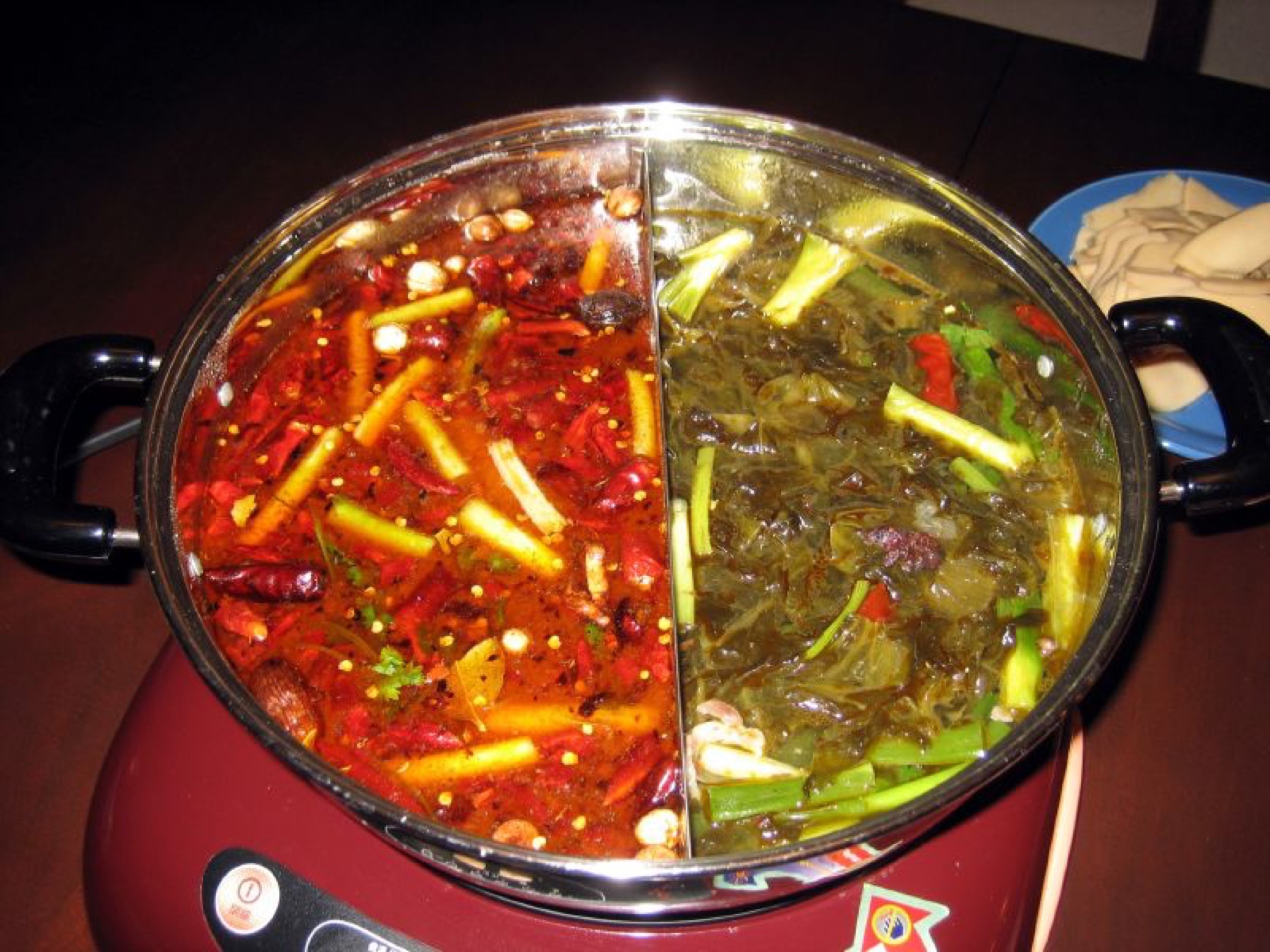
The table steams. The oil glows red. Someone orders too much food. Someone thinks they can handle more spice than they can. The first bite is exciting, the tenth is a negotiation, and halfway through the meal you understand why hotpot is social: people need time, conversation, and cooling drinks to survive it gracefully.
If you do not eat very spicy food, do not try to prove yourself. Ask for a split pot, with one spicy side and one mild side. Order vegetables, tofu, mushrooms, beef, noodles, or whatever feels manageable. Use a translation app if the menu is only in Chinese, and do not be afraid to point at pictures.
Hotpot is better when you stop treating it as a challenge. It is not a test of toughness. It is a shared table.
4. Walk through Jinli or Kuanzhai Alley, but keep expectations realistic
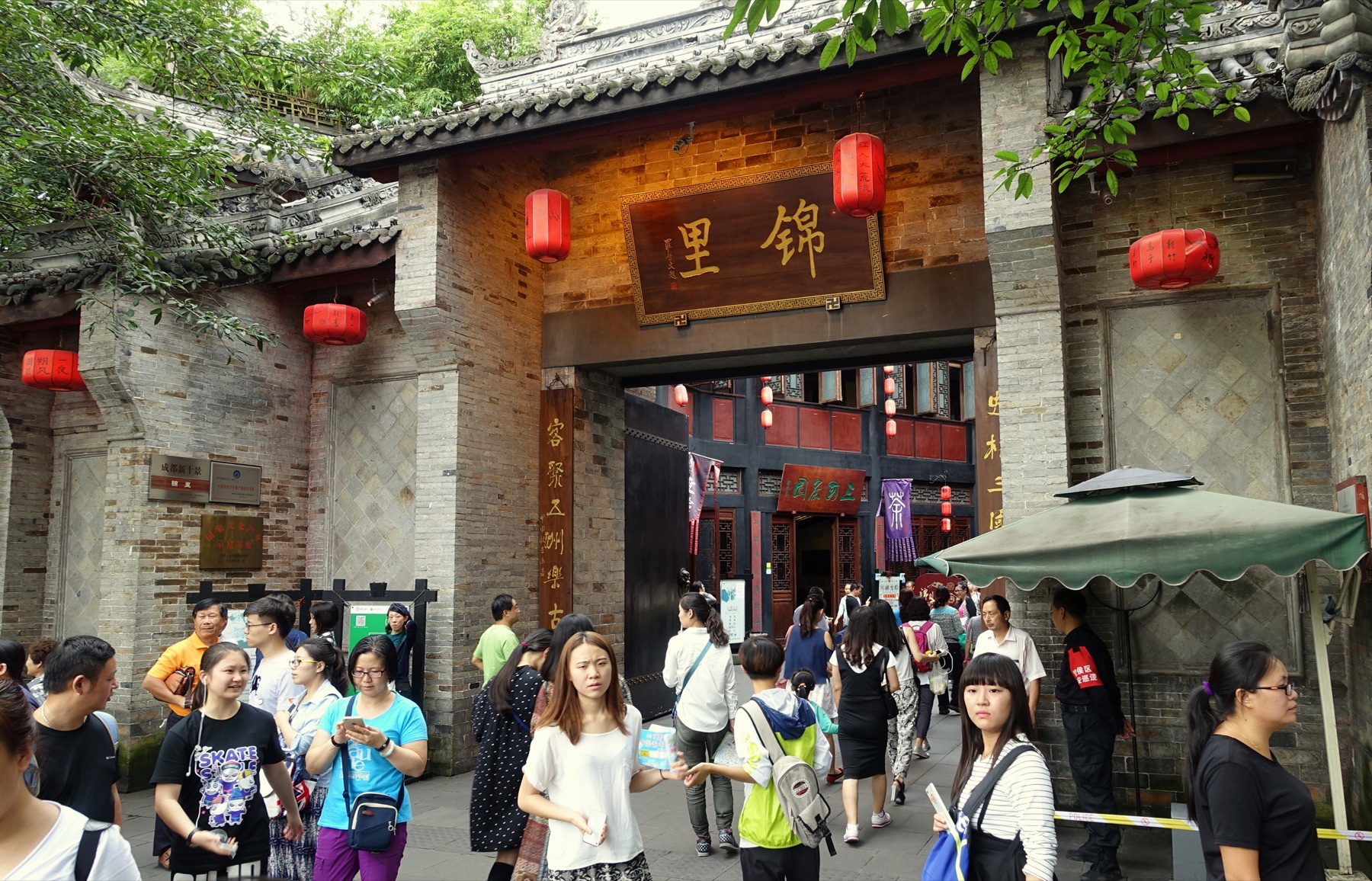
Jinli and Kuanzhai Alley are popular for a reason: red lanterns, old-style architecture, snacks, souvenirs, and easy photos. They can also feel commercial, crowded, and polished for tourism.
That does not mean you should skip them. It means you should know what they are.
Go in the late afternoon or evening if you want atmosphere. Walk slowly. Try a snack or two. Take photos, but do not expect the most authentic hidden corner of Chengdu. These places work best as light city walks, especially if you are already nearby.
If you want a stronger sense of everyday life, pair them with a tea house, a park, a local noodle shop, or a neighborhood walk away from the main tourist drag.
5. Spend an evening around Taikoo Li and Chunxi Road
Chengdu is not only old streets and tea. Around Taikoo Li and Chunxi Road, the city becomes younger, brighter, and more fashion-conscious. You will see luxury stores, cafes, shopping malls, street photographers, couples, students, and one of the city’s most photographed modern landmarks: the giant climbing panda at IFS.
This area is useful for first-time visitors because it is easy. There are hotels, metro access, restaurants, coffee, shopping, and plenty of people around at night. It is not the most intimate Chengdu, but it is a convenient base if you want comfort and simple logistics.
It also shows something important: Chengdu’s relaxed personality does not mean the city is old-fashioned. It is modern, but it is modern in a way that still makes room for tea, food, and hanging out.
A Simple 3-Day Chengdu Itinerary
Day 1: Pandas, tea, and hotpot
Start with the Panda Base in the morning. Go early, wear comfortable shoes, and keep your schedule light afterward.
In the afternoon, go to People’s Park for tea. Do not rush this part. If you sit for only 15 minutes, you may miss the point. Give it at least an hour.
At night, eat hotpot. Choose a place with photos or a manageable menu if you do not speak Chinese. If it is your first Sichuan hotpot, order a split pot.
Day 2: Old streets, temples, and city life
Start with Wuhou Shrine and Jinli if you want a classic tourist route. Then move toward Kuanzhai Alley or a local lunch spot.
In the late afternoon, head to Taikoo Li and Chunxi Road. See the IFS panda, walk through the shopping district, and watch how Chengdu shifts from old-style leisure to modern city energy.
For dinner, choose something gentler if hotpot defeated you the night before: dan dan noodles, wontons in chili oil, mapo tofu, twice-cooked pork, or a Sichuan restaurant where you can order several dishes to share.
Day 3: Choose one side trip
Pick one, not all.
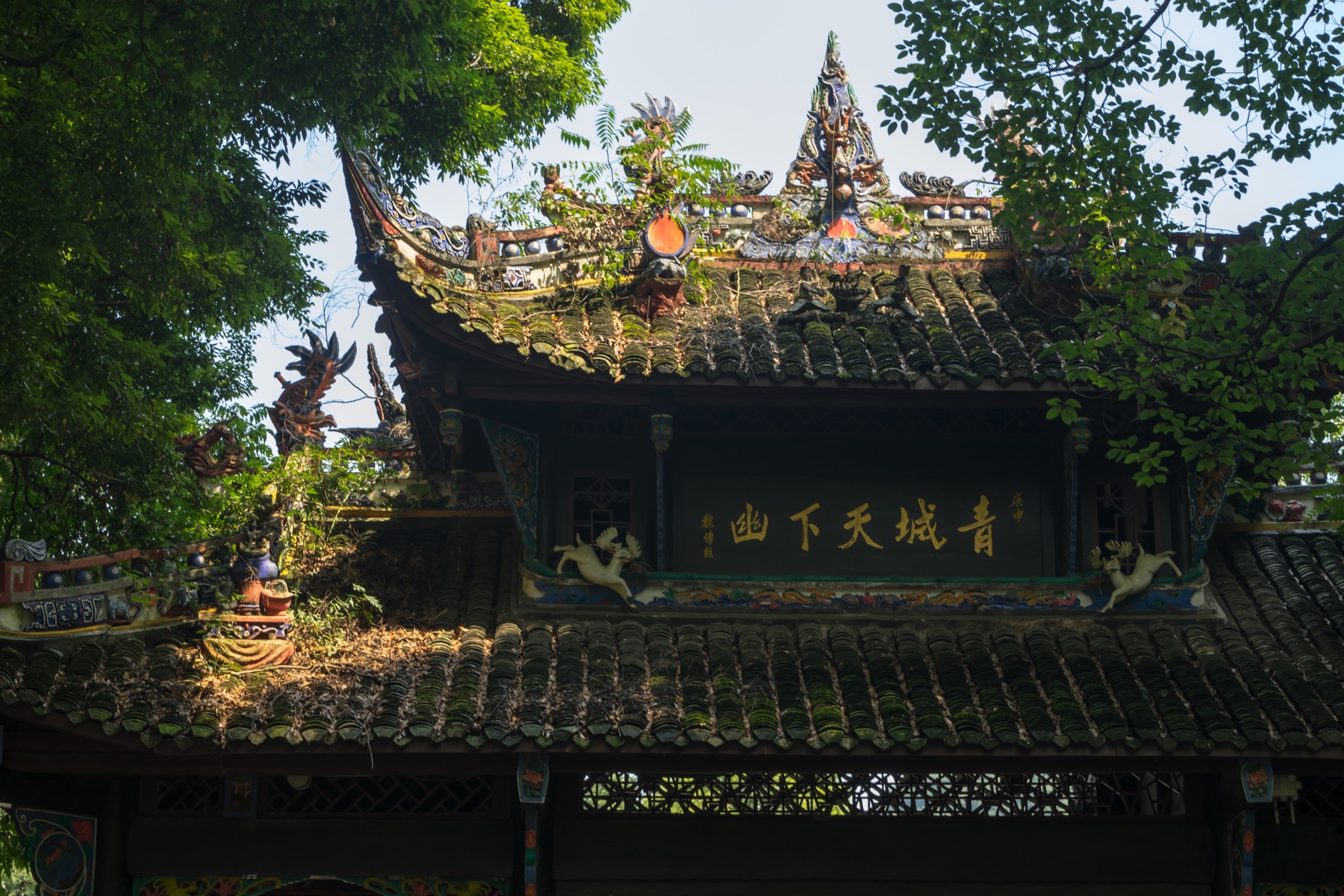
Leshan is best if you want a major cultural sight and do not mind a full travel day. Mount Qingcheng is better if you want green scenery, temples, and a calmer mountain atmosphere. Dujiangyan is good if you enjoy history, engineering, and UNESCO-listed heritage.
Do not try to do too much in one day. Chengdu is not a city that rewards rushing.
What to Eat in Chengdu
Chengdu is a UNESCO City of Gastronomy, but that title can sound too formal for a city where some of the best food feels casual, noisy, and covered in chili oil.
Start with:
- Hotpot
- Dan dan noodles
- Mapo tofu
- Zhong dumplings
- Long chaoshou wontons
- Twice-cooked pork
- Kung pao chicken
- Rabbit head, if you are adventurous
- Skewers or chuanchuan
- Sweet iced jelly or bingfen after spicy food
The most important thing to understand is that Sichuan food is not simply “very spicy.” It can be spicy, numbing, garlicky, sour, sweet, smoky, fermented, and deeply savory. Some dishes are fiery. Others are fragrant rather than painful.
If you do not eat spicy food, Chengdu is still possible, but you need to be proactive. Learn or save these phrases:
- “Bu yao tai la” - not too spicy
- “Wei la” - mildly spicy
- “Bu la” - not spicy
- “Qing tang” - clear broth
A translation app will help, but in a busy restaurant, screenshots and simple phrases can work faster.
Chengdu Hotpot: What First-Time Visitors Should Know
Hotpot is one of the best Chengdu experiences, but it is also one of the easiest to misunderstand.
Choose a split pot if you are unsure about spice. The mild side is not a failure. It is strategy.
Order slowly. It is easy to order too much because everything looks small on the menu. Start with a few meats, tofu, mushrooms, and vegetables, then add more.
Do not put everything in at once. Different foods cook at different speeds. If you are not sure, watch what locals do or ask staff with a translation app.
Use the dipping sauce. In Chengdu, oil-based dipping sauce with garlic, cilantro, and other seasonings can help balance the spice.
Expect smoke, noise, and heat. This is not a quiet fine-dining experience. The chaos is part of it.
If you are vegetarian, Muslim, allergic to peanuts, sensitive to oil, or unable to eat spicy food, choose restaurants carefully. Hotpot can be flexible, but the broth, utensils, and sauces may not meet every dietary need unless you check clearly.
Tea Houses, Parks, and the Art of Doing Less
The best Chengdu afternoon may look boring on paper.
You sit. You drink tea. You refill the cup. You watch people. Maybe someone nearby plays cards. Maybe a group of elderly friends talks louder than expected. Maybe someone offers ear cleaning. Maybe nothing dramatic happens.
That is why it works.
A Chengdu tea house is not only about tea. It is a public living room. People use it to pass time without apologizing for passing time. For visitors from countries where travel often means constant movement, this can feel strange at first. You may feel you are “wasting” an afternoon.
You are not. You are finally seeing Chengdu in its natural state.
People’s Park is the easiest place to start, but if you have more time, ask your hotel or a local friend for a less touristy tea house. The tea does not need to be fancy. The point is the room, the chairs, the pace, and the permission to stay.
Chengdu vs Chongqing: Which One Should You Choose?
Chengdu and Chongqing are often compared because both are in southwest China, both love spicy food, and both are popular with younger travelers. But they feel very different.
Choose Chengdu if you want a softer first visit, pandas, tea houses, parks, and a more relaxed base for Sichuan.
Choose Chongqing if you want dramatic hills, neon nights, river views, hotpot intensity, and a city that feels almost cinematic in its vertical chaos.
Chengdu is easier for many first-time visitors. Chongqing is more visually intense. Ideally, do both if your route allows it. If you only have time for one and you want your first China trip to feel manageable, Chengdu is usually the gentler choice.
Practical Tips for Chengdu
Payment
Prepare mobile payment before arrival. Alipay is usually the easiest first setup for many foreign visitors, while WeChat Pay is useful as a backup. Still, do not assume every card, every account, and every merchant flow will work perfectly.
Read our China payment guide and prepare a backup plan before you fly.
Internet and apps
You will need mobile internet for maps, translation, ride-hailing, payments, and QR menus. Set up your eSIM, roaming, or VPN plan before arriving if you rely on foreign apps.
Also read our guide to best apps for traveling in China.
Language
Chengdu is friendly, but English is not universal. This matters most in restaurants, taxis, small shops, and some local attractions.
Save your hotel address in Chinese. Keep screenshots of important bookings. Use simple phrases and translation apps. If a restaurant menu has no English, look for photos, point politely, or choose a place where ordering is easier.
Transport
Chengdu has a useful metro system, and ride-hailing can be convenient if your app setup works. For day trips, high-speed rail may be faster and more reliable than a long car ride, depending on the destination.
If you are new to China trains, read our high-speed rail guide for foreigners.
Where to stay
For first-time visitors, Chunxi Road / Taikoo Li is usually the easiest base. It is convenient for food, shopping, metro access, taxis, and evening walks, and it makes the first day feel less confusing.
Tianfu Square is also useful if you want a central location for a short stay. It is practical rather than especially atmospheric, but it can work well when you care more about transport than neighborhood charm.
The Wenshu Monastery area can feel calmer and more cultural, with snacks, older streets, and a softer pace. It is a good fit if you want a less glossy base, but check the exact metro distance before booking.
In Chengdu, being near a metro station often matters more than chasing a famous hotel district. A slightly less trendy area with easy metro access can make pandas, tea houses, train stations, and day trips much easier.
Common Mistakes First-Time Visitors Make in Chengdu
Mistake 1: Visiting the pandas too late
If pandas are your priority, go early. Late morning or afternoon can mean bigger crowds and sleepier animals.
Mistake 2: Treating Chengdu like a checklist city
If you rush from pandas to Jinli to Kuanzhai to Taikoo Li to hotpot in one day, you may see Chengdu without feeling it. Leave time for tea, food, and wandering.
Mistake 3: Underestimating Sichuan spice
Spice in Chengdu is not only heat. The numbing feeling from Sichuan peppercorn can surprise visitors. Start mild if you are unsure.
Mistake 4: Assuming English menus are common
Some tourist-friendly places have English or picture menus, but many good local restaurants do not. Translation apps and screenshots help.
Mistake 5: Not preparing payment apps
Do not wait until the restaurant bill arrives to discover that your payment app is not working. Set up Alipay or WeChat Pay before arrival, and keep a backup.
Mistake 6: Choosing too many day trips
Leshan, Qingcheng, and Dujiangyan are all worthwhile, but not in the same rushed day for most visitors. Pick one based on your energy and interests.
Mistake 7: Expecting ancient streets to feel untouched
Jinli and Kuanzhai are atmospheric, but they are also commercial. Enjoy them for what they are, then balance them with a park, tea house, or local food street.
What Locals Understand About Chengdu That Visitors Often Miss
Chengdu’s slowness is not laziness. It is confidence.
The city knows food matters. It knows friends matter. It knows weather can be gray, traffic can be annoying, work can be tiring, and yet there should still be time for tea.
A visitor may come to Chengdu for pandas and hotpot. That is fine. Those are good reasons. But the thing that lingers is often smaller: a bamboo chair that is more comfortable than it looks, the sound of tea water hitting a cup, the smell of chili oil on your jacket after dinner, the way a city of millions can somehow make an afternoon feel unclaimed.
Chengdu is not the China of grand entrances. It is the China of staying a little longer.
Check Official Sources Before You Travel
Before visiting Chengdu, check official or primary sources for:
- Chengdu Panda Base ticket reservations, opening rules, and ID requirements
- Chengdu airport arrival and transport information
- High-speed rail schedules through official booking channels
- Current visa-free or transit rules if Chengdu is part of a wider China route
- UNESCO information if you plan to visit Mount Qingcheng and Dujiangyan
- Local attraction notices during Chinese public holidays
Policies, opening hours, booking systems, and transport arrangements can change. Do not rely only on old blog posts or social media screenshots.
Related Guides
- China City Picker
- Beijing, Shanghai, Chengdu, or Chongqing: Which Chinese City Should You Visit First?
- How to Pay in China as a Tourist
- Best Apps for Traveling in China
- How to Book High-Speed Train Tickets in China as a Foreigner
- Best Places to Visit in China for First-Time Visitors
Final Thoughts
Chengdu is a good first-China city because it gives visitors permission to breathe.
It has famous things: pandas, hotpot, tea houses, Jinli, Kuanzhai, Taikoo Li, Leshan, Qingcheng, and Dujiangyan. But the deeper reason to go is that Chengdu makes daily life feel like part of the attraction.
Come with a plan, but not a military schedule. Wake early for pandas. Sit too long over tea. Order something you cannot fully identify. Let one afternoon remain loose.
Some cities impress you by being efficient. Chengdu wins by being warm.
Photo credits: People’s Park tea house - Daderot, CC0; Giant panda - Mikael Haggstrom, Public Domain; Chengdu hotpot - Prince Roy, CC BY 2.0; Jinli Street - Daderot, CC0; Mount Qingcheng - JianEn Yu, CC BY 2.0.
Official and platform sources used
- Chengdu Research Base of Giant Panda Breeding Chengdu Research Base of Giant Panda Breeding
- Mount Qingcheng and the Dujiangyan Irrigation System UNESCO World Heritage Centre
- Chengdu Tianfu International Airport Chengdu Tianfu International Airport
- China Railway 12306 English Site China Railway 12306
- Guide to Payment Services in China The State Council, The People’s Republic of China
- Chengdu - UNESCO Creative Cities Network UNESCO