Explore
Beijing Travel Guide for First-Time Visitors: Forbidden City, Great Wall and Hutong Life
A practical and human Beijing travel guide for first-time visitors to China, covering the Forbidden City, Great Wall, hutongs, food, transport, reservations, where to stay and common mistakes.
Quick Answer
Beijing is the strongest first Chinese city for travelers who care about history, imperial architecture, major museums, and the Great Wall. It is not the easiest introduction to China. Reservations can decide the shape of your week, distances are larger than they look, security checks take time, and a metro journey often ends with a long walk.
Four full days is the most realistic starting point. Use one day for Tiananmen, the Forbidden City, and Jingshan; one for the Great Wall; one for the Temple of Heaven and hutongs; and one for food, a museum, or the Summer Palace. Three days is possible but compressed. Five gives the city room to feel like a place rather than a sequence of gates.
Shanghai helps visitors enter China smoothly. Chengdu helps them slow down. Beijing makes the journey feel historically important. Its monuments explain the capital; its breakfast windows, bicycles, parks, and neighborhood restaurants explain why people live there.
Why Beijing Matters on a First China Trip
Beijing communicates through scale. The distances between gates, the width of the avenues, the repeated courtyards of the Forbidden City, and the line of the Great Wall across a ridge all make history physical. You do not simply read that an empire was powerful. You spend a morning walking through the spaces it built.
That scale is not always kind. A map may make two attractions look adjacent when their entrances are far apart. A day that appears elegant on paper can become a chain of queues, checks, and sore feet. Beijing can tire people before it moves them.
The reward comes from contrast. Outside the formal spaces are delivery scooters, breakfast steam, old trees, men carrying thermos flasks, and residents talking on park benches. A monumental road can lead to a quiet lane. A ceremonial hall can share a morning with retirees singing nearby. Beijing’s historical weight matters, but the city becomes memorable when that weight meets ordinary life.
Who Should Visit Beijing?
You will probably like Beijing if you want the classic landmarks, enjoy museums and architecture, can start early, and do not mind planning key days before arrival. It also suits travelers who would rather spend time with a few large places than collect many small attractions.
Beijing may not be your best first choice if you have only two days, dislike long walks, want to decide every morning as you go, or mainly want nightlife, cafes, and an easy international atmosphere. Shanghai is a softer landing. Chengdu gives food and daily life more space. Guangzhou is warmer, practical, and less ceremonially intense.
None of that makes Beijing unfriendly. It means the city asks for preparation. Build in rest, keep evenings lighter, and accept that missing one museum is better than rushing through three.
How Many Days Do You Need in Beijing?
Three days: possible, but tight. Keep one day for the Forbidden City area, one for the Great Wall, and one for the Temple of Heaven plus a hutong walk. You will leave with the main outline, not much texture.
Four days: the best first-trip balance. It creates space for a slower arrival, a proper Great Wall day, and meals that are not squeezed between ticket times.
Five days or more: better for museum visitors, the Summer Palace, 798 Art District, neighborhood walks, or a weather adjustment. This is also the point at which Beijing begins to feel less like an assignment.
If you are placing Beijing inside a longer route, see our 10-day China itinerary and the guide to the best places for a first China trip.
Best Time to Visit Beijing
Late spring and autumn usually offer the most comfortable walking weather, but they are also popular. Summer can be hot, humid, crowded, and stormy. Winter is cold and dry, yet clear days can give the city’s roofs and walls a sharp beauty. Air quality and visibility vary in every season.
Do not choose a Great Wall day solely from a long-range forecast. Mountain weather can differ from central Beijing, and wind matters as much as temperature. If you have five days, keep the wall flexible until the short-range forecast is clearer.
Public holidays can change crowd levels dramatically. Before locking dates, check current attraction notices and China’s holiday calendar. Rules, closures, and special visitor arrangements may change.
Best Things to Do in Beijing
The Forbidden City: Book First, Build the Day Around It
The Forbidden City should be the first difficult reservation you solve, not an item you hope to add after booking a hotel. The official Palace Museum ticketing page currently states that it uses real-name reservations, does not sell same-day tickets, and normally releases tickets at 20:00 seven days before the visit. Non-mainland visitors can book with a passport or another accepted document and must bring the original document used for the reservation. Check again before you go.
The practical route is south to north. The Meridian Gate, or Wumen, is the visitor entrance; the usual exits are Shenwumen or Donghuamen. Tiananmen Square and the Palace Museum are separate reservations. If you plan both, match the times carefully and allow for security and the south-to-north visitor flow.
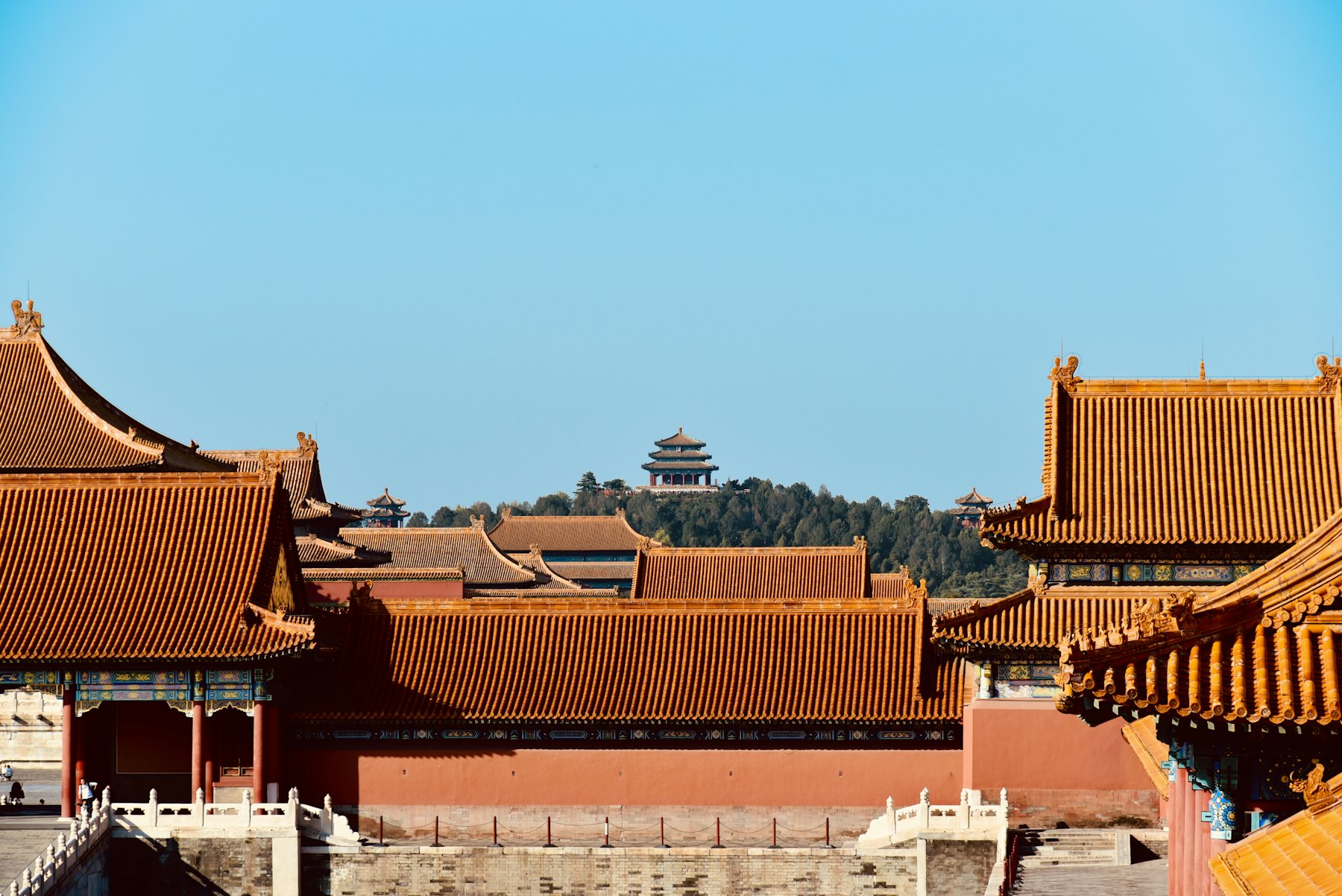
Inside, resist the urge to read every label. The emotional force comes from repetition: one red gate opening to another courtyard, roofs continuing beyond roofs, the same geometry becoming more imposing and then strangely quiet. Choose a few halls to examine closely. Leave enough attention for the spaces between them.
Tiananmen Area: Separate Reservations, Security and Realistic Timing
Tiananmen Square, the Palace Museum, the National Museum of China, and Tiananmen Rostrum can use different reservation systems. One booking does not automatically cover another. The Beijing government reservation guide currently lists separate methods and advance windows, so verify each place on its own official channel shortly before the booking date.
This is a travel-planning issue, not a reason to turn the day into a race. Security queues and one-way routes can add substantial time. Pair the square with the Forbidden City and Jingshan, but do not add the Summer Palace or a distant evening commitment. Save your energy for the places already on the route.
Jingshan Park: The View That Explains the Forbidden City
From inside the Forbidden City, you feel its size one courtyard at a time. From Jingshan, you finally understand the axis. The climb is short but can feel steep after several hours of walking. The central viewpoint is often busy near sunset; patience matters more than finding a secret angle.
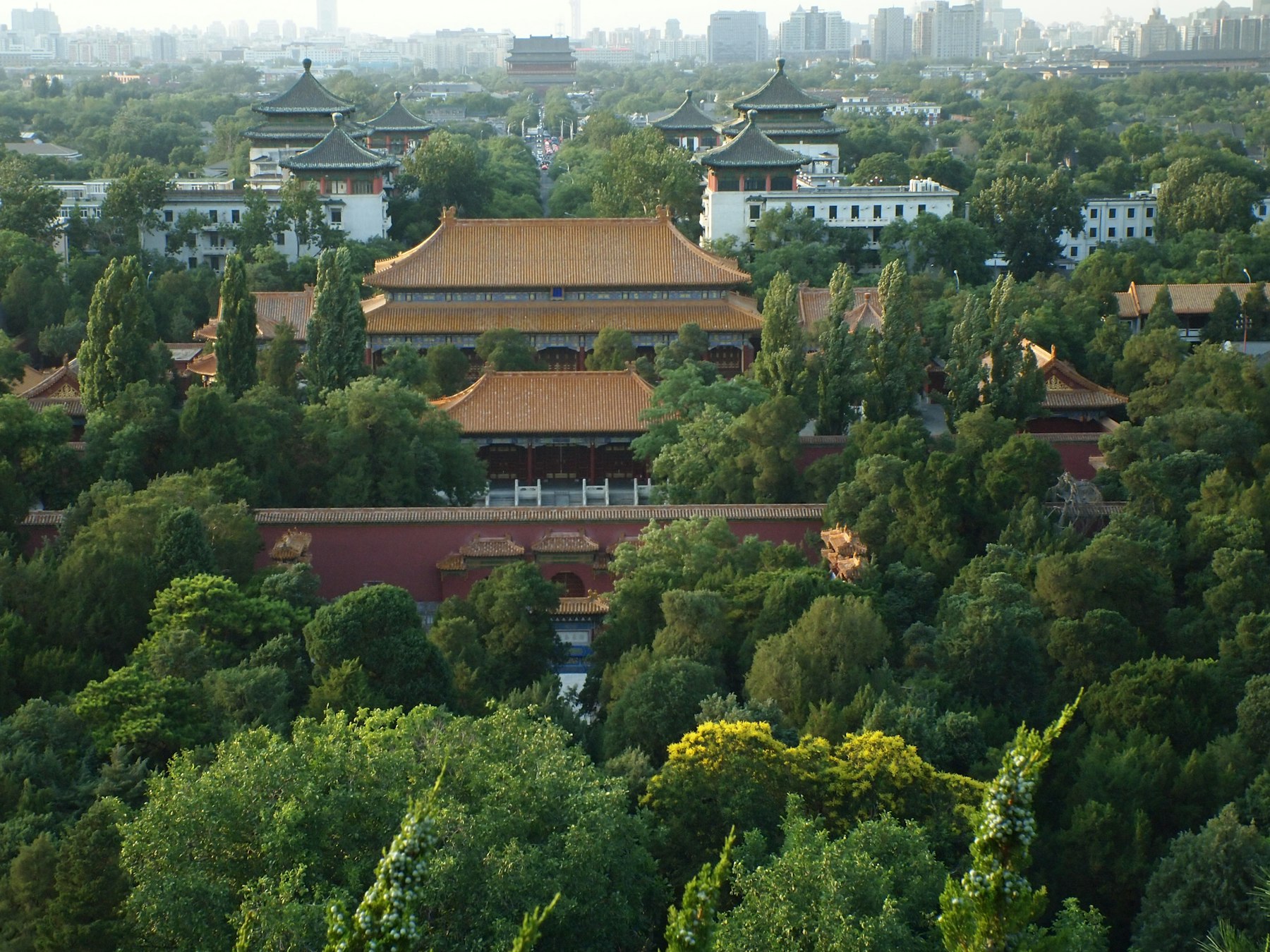
Jingshan works best immediately after the Forbidden City because Shenwumen faces the park across the road. Pause before climbing, buy water, and keep the evening simple. The view is not an extra attraction. It is the final page of the Forbidden City visit.
The Great Wall: Mutianyu or Badaling?
Badaling has direct public transport options and a long history as the best-known restored section. Mutianyu is also restored, has extensive visitor facilities, and often appeals to travelers who want more mountain scenery. Neither choice guarantees solitude. Crowd levels depend on the day, season, and time.
Mutianyu is far from central Beijing, so treat it as a full-day project. The official visitor notice currently states that real-name reservations are required, passports can be used, and visitors should bring the original document connected to the booking. It also makes clear that the main entrance ticket, shuttle bus, cable car, ropeway, and slide are separate products. Do not copy an old price or operating time into your plan; check the official page again.
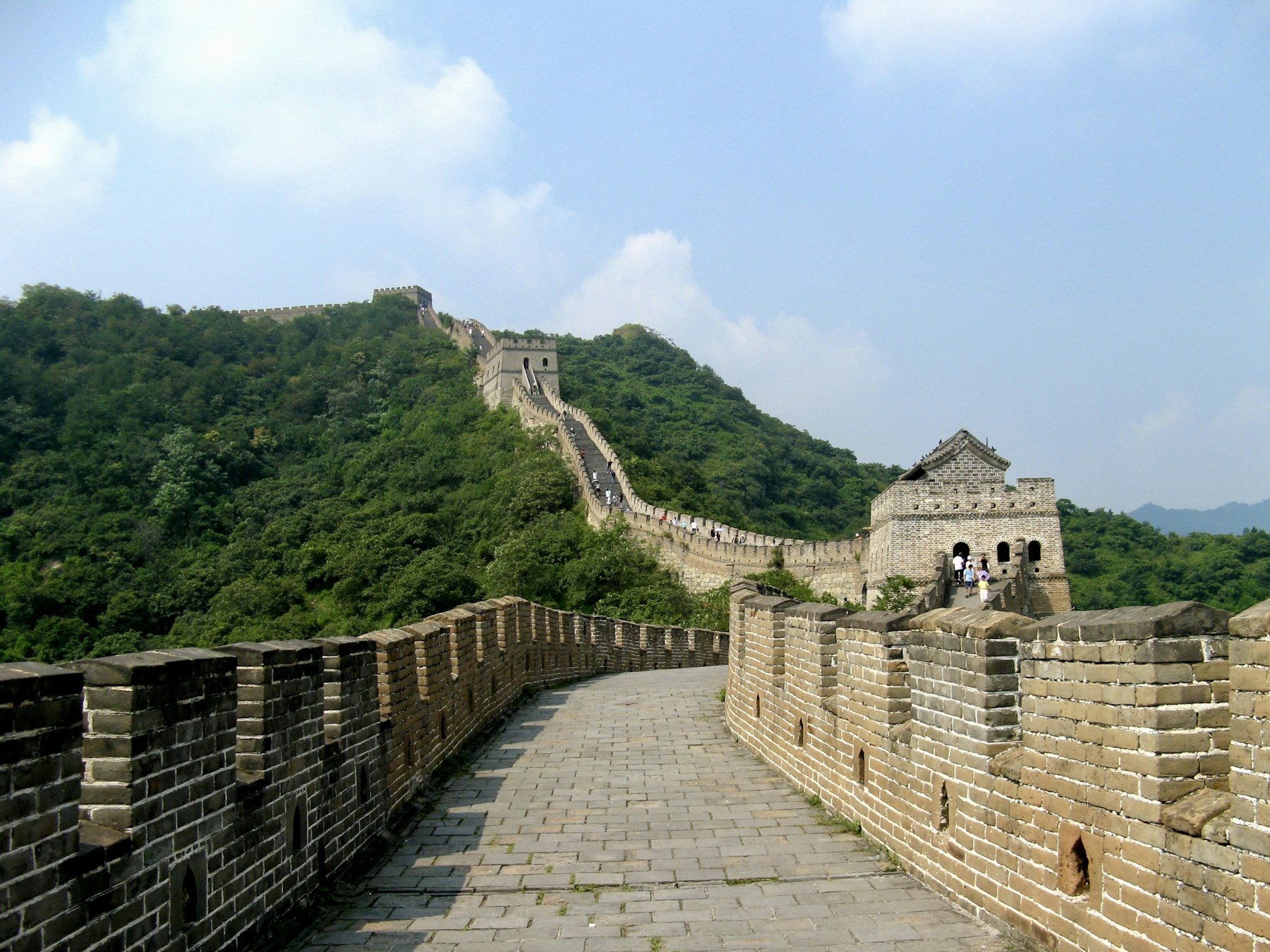
Decide in advance how much climbing you want. A cable car can preserve energy for walking on the wall, but routes do not all connect in the way a first-time visitor may assume. Weather on the ridge can be hotter, colder, or windier than downtown. Do not place the Great Wall and Forbidden City on the same day.
Temple of Heaven: Go for the Buildings, Stay for the Park
The Hall of Prayer for Good Harvests is the visual anchor, but the surrounding park gives the visit its human scale. Go early and you may see residents stretching, singing, playing games, or talking under the trees. These are not performances arranged for visitors. Keep a respectful distance and let the park remain a shared civic space.
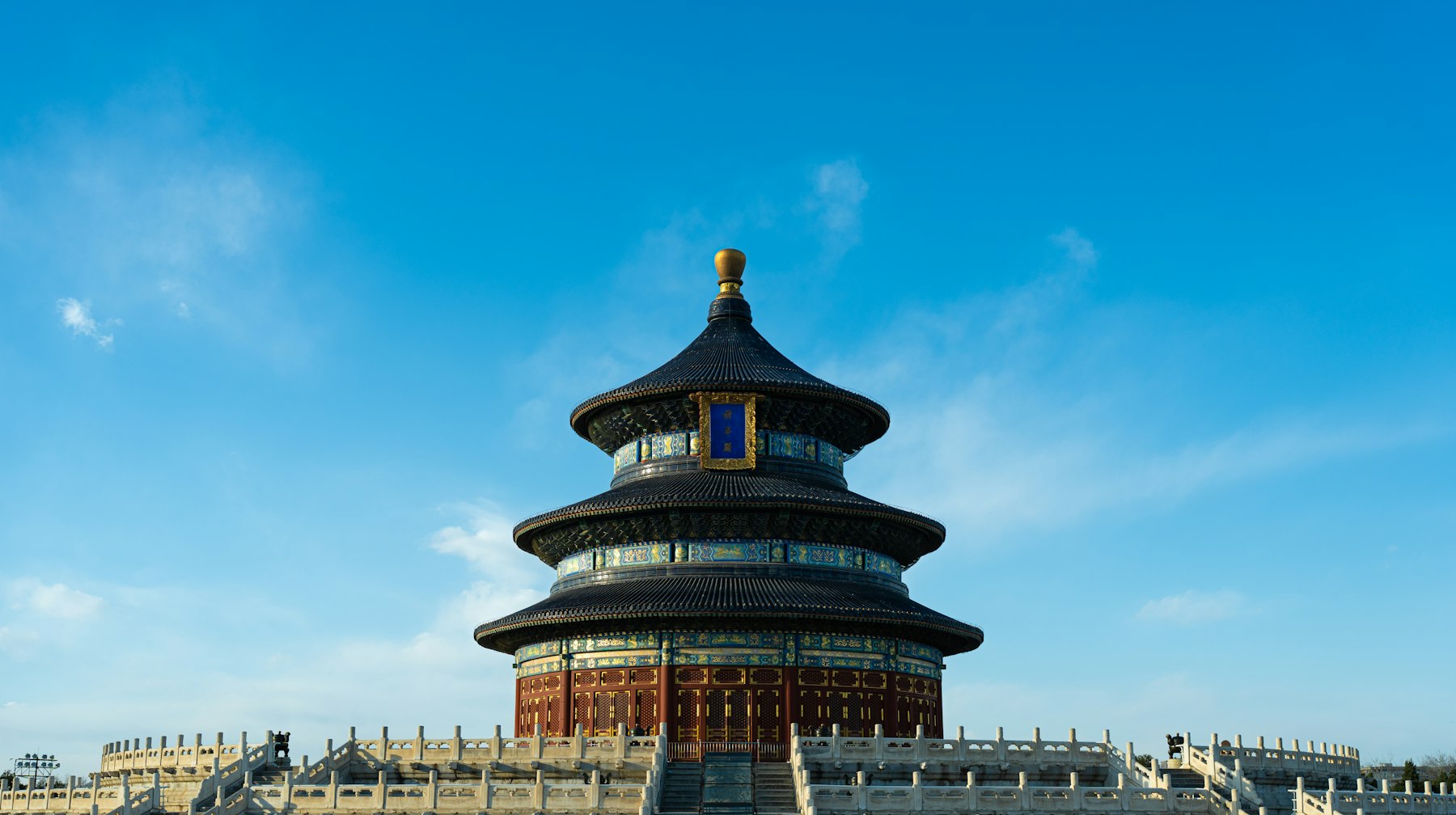
Check which ticket includes the buildings you want to enter; a park entrance and access to the main sites may not be identical. The architecture deserves attention, but the coexistence of ceremonial space and ordinary morning routines is what makes this stop distinctly Beijing.
Hutongs: Look for Daily Life, Not a Theme Park
Nanluoguxiang is commercial. That does not make it worthless: it is easy to reach, lively, and useful for food or a first look. The quieter side lanes nearby usually reveal more texture. Walk without expecting every alley to be picturesque.
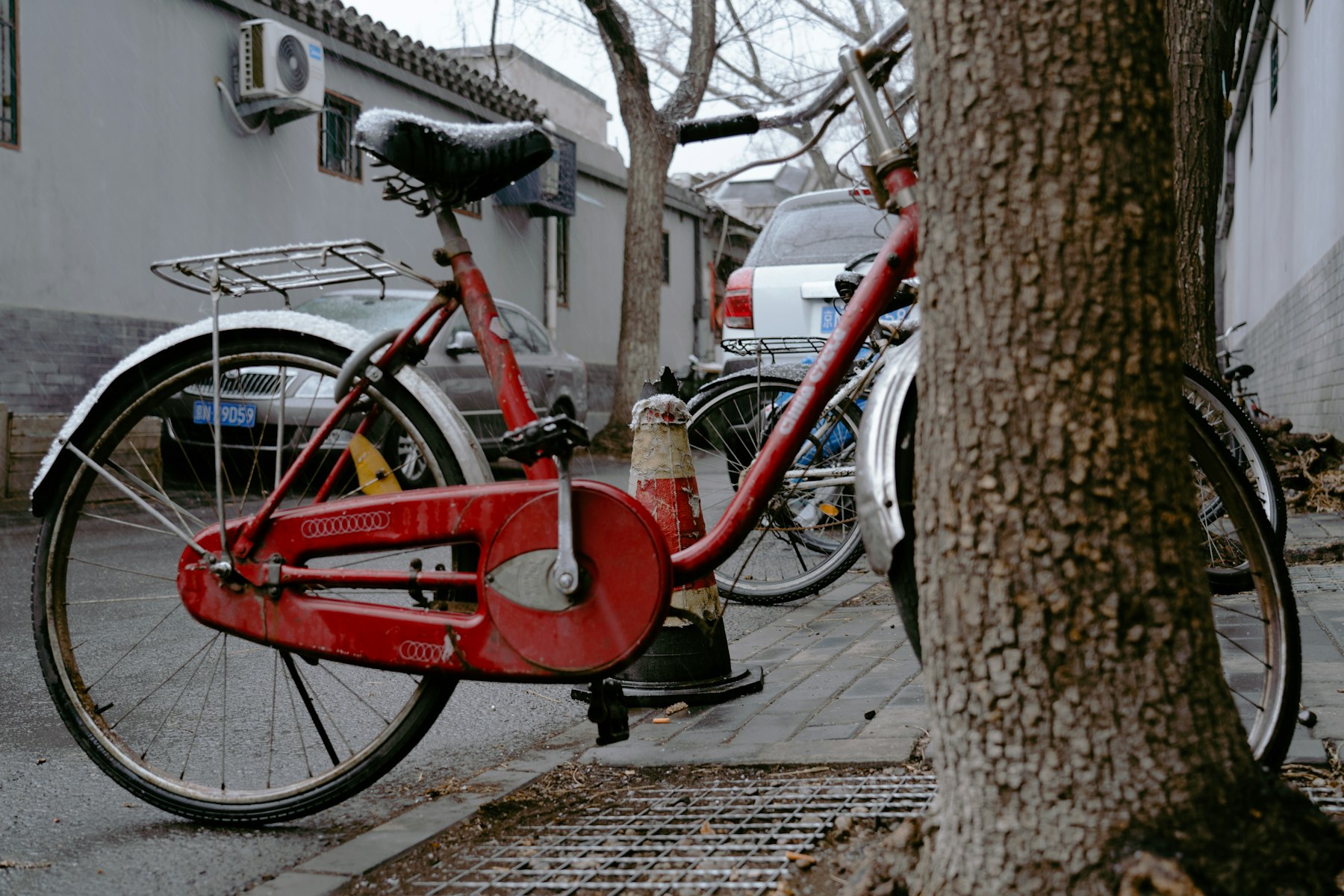
Hutongs are residential spaces, not film sets. Do not enter private courtyards, block narrow lanes, or photograph residents at close range without permission. Notice bicycles, repaired brickwork, parked cars, door curtains, deliveries, and the complicated way old neighborhoods absorb modern life. The point is not to pretend the past survived unchanged.
Summer Palace or a Museum Day
Choose the Summer Palace when the weather is good and you want water, gardens, and a long outdoor walk. Choose a museum day when heat, rain, cold, or poor visibility makes outdoor plans less appealing. The National Museum and other major institutions may have their own reservation systems.
Do not treat the Summer Palace as a quick add-on. Its grounds are large, and the journey across town takes time. A museum day also benefits from restraint: select one major collection and perhaps one smaller stop rather than spending the afternoon in security lines.
A Realistic Four-Day Beijing Itinerary
Day 1: Arrive and Reduce Friction
Set up mobile payment and data, save the hotel name and address in Chinese, confirm your passport is ready for booked attractions, and take a short neighborhood walk. If you need a preparation list, use the China travel checklist and the guide to the best apps for traveling in China.
Day 2: Tiananmen, Forbidden City and Jingshan
Use the reservation times to set the order. Start early, expect checks, move south to north, and finish at Jingshan. Book a relaxed dinner near the hotel rather than crossing the city again.
Day 3: Great Wall
Give Mutianyu or Badaling the entire day. Confirm transport, weather, passport, and the relationship between entrance and cable transport before leaving. Keep the evening free.
Day 4: Temple of Heaven, Hutongs and Beijing Food
Visit the Temple of Heaven in the morning, rest over lunch, then walk a hutong area without trying to cover every famous lane. Finish with a local dinner.
With a fifth day, add the Summer Palace, the National Museum, another museum, 798, or a slower neighborhood day.
What to Eat in Beijing
Peking duck is worth sharing, especially with a group large enough to order side dishes. Zhajiangmian is more ordinary and often more revealing: noodles, savory bean sauce, and crisp vegetables assembled into a practical meal.
Copper-pot lamb hotpot is a social dinner built around thin slices of lamb, clear broth, sesame sauce, and conversation. Jianbing works for breakfast or a quick snack. Dumplings and baozi are useful when you want something familiar, cheap, and filling.
Then there is douzhi, a fermented mung-bean drink with a strong sour aroma. Trying it can be memorable. Disliking it is not a failure to understand Beijing. Order a small amount, pair it with the traditional fried accompaniments, and keep your sense of humor.
Use the broader China food guide if Beijing is only one stop on your route.
Where to Stay in Beijing
Wangfujing / Dongdan: central, commercial, and practical for a first visit. Prices can be higher and the atmosphere less residential.
Qianmen: close to the historic axis and useful for early starts. Check the hotel’s real walking distance to a metro entrance; a famous neighborhood label can cover a wide area.
Dongsi / Lama Temple: a balanced choice for transport, food, and access to hutong streets without being isolated from the rest of the city.
Drum Tower / Shichahai: stronger atmosphere and evening walks, but hotel quality, noise, taxi access, and metro convenience vary by lane.
Dongzhimen: practical for airport connections and daily transport, though less romantic than the historic-center descriptions in travel brochures.
In Beijing, being close to a useful metro station often matters more than having a famous neighborhood name in the hotel description.
Practical Tips: Reservations, Passport, Metro, Payment and Language
Book the hardest reservation first and let it anchor the itinerary. Carry the original passport used for real-name bookings. Security checks are common, so avoid arriving at the last possible minute.
The metro is extensive, but it does not eliminate walking. Entrances, platforms, interchanges, and attraction gates add distance. Save Chinese addresses for the hotel and major destinations.
Prepare payment before arrival and keep a backup. The official payment guide says overseas visitors can use options including mobile payment, bank cards, and cash; acceptance varies by merchant. Our tourist payment guide explains the setup.
Do not confuse Beijing Capital International Airport (PEK) with Beijing Daxing International Airport (PKX). The city also has several major railway stations. Verify the exact airport, terminal, and station shown on every ticket. For rail travel, use the high-speed train booking guide and the official 12306 channel.
If your route depends on visa-free transit, read the 240-hour transit guide and confirm current rules for your nationality and itinerary.
Common Mistakes First-Time Visitors Make in Beijing
- Waiting until arrival to reserve the Forbidden City.
- Assuming Tiananmen Square and the Palace Museum use one reservation.
- Placing the Great Wall and Forbidden City on the same day.
- Underestimating walking distances inside attractions and metro stations.
- Treating hutongs as photography sets instead of residential neighborhoods.
- Booking the wrong airport, terminal, or railway station.
- Scheduling a high-effort evening after every high-effort day.
- Leaving no room to move the Great Wall for weather.
- Trying to read and photograph everything instead of choosing what deserves attention.
Beijing vs Shanghai, Chengdu and Guangzhou
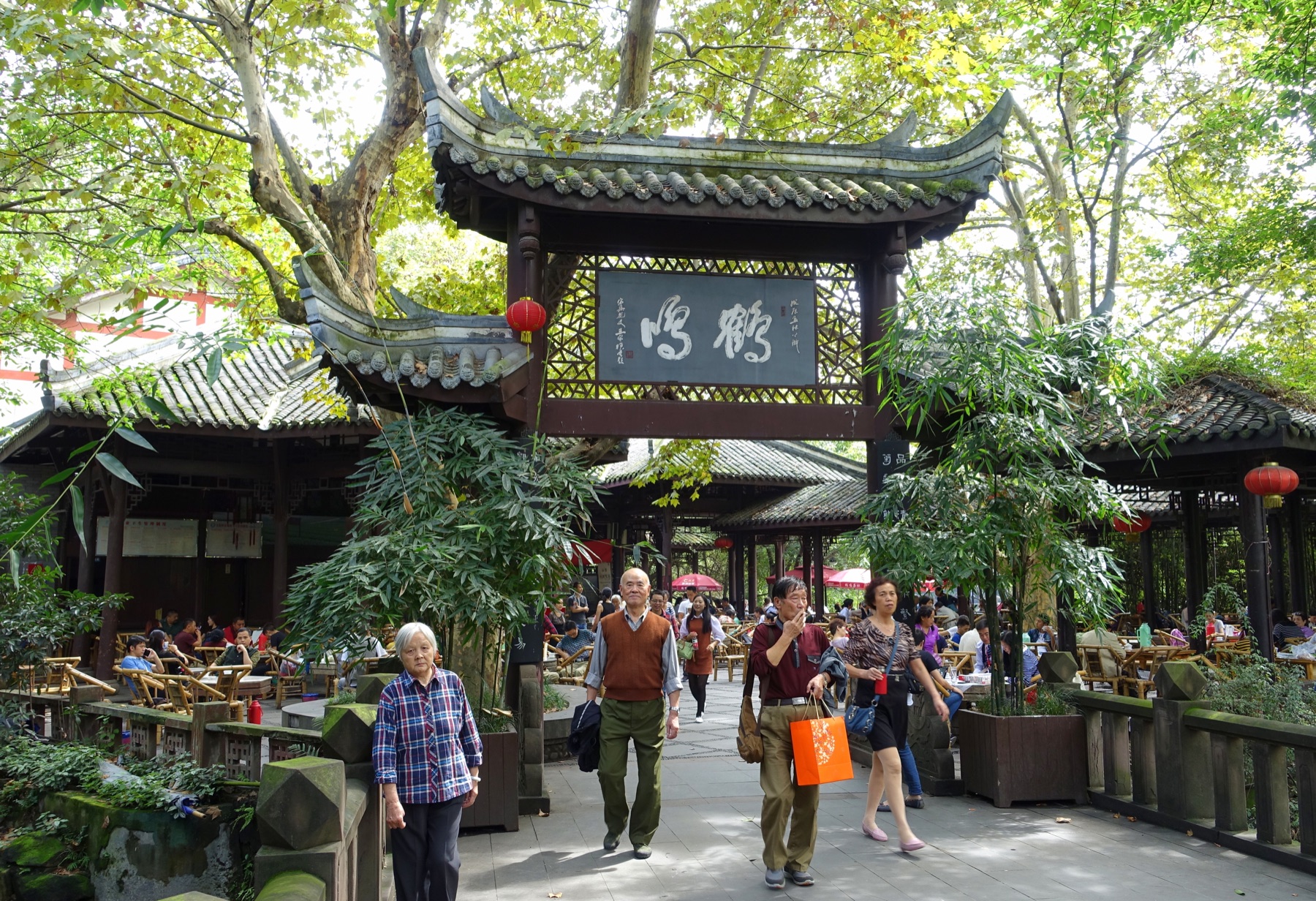
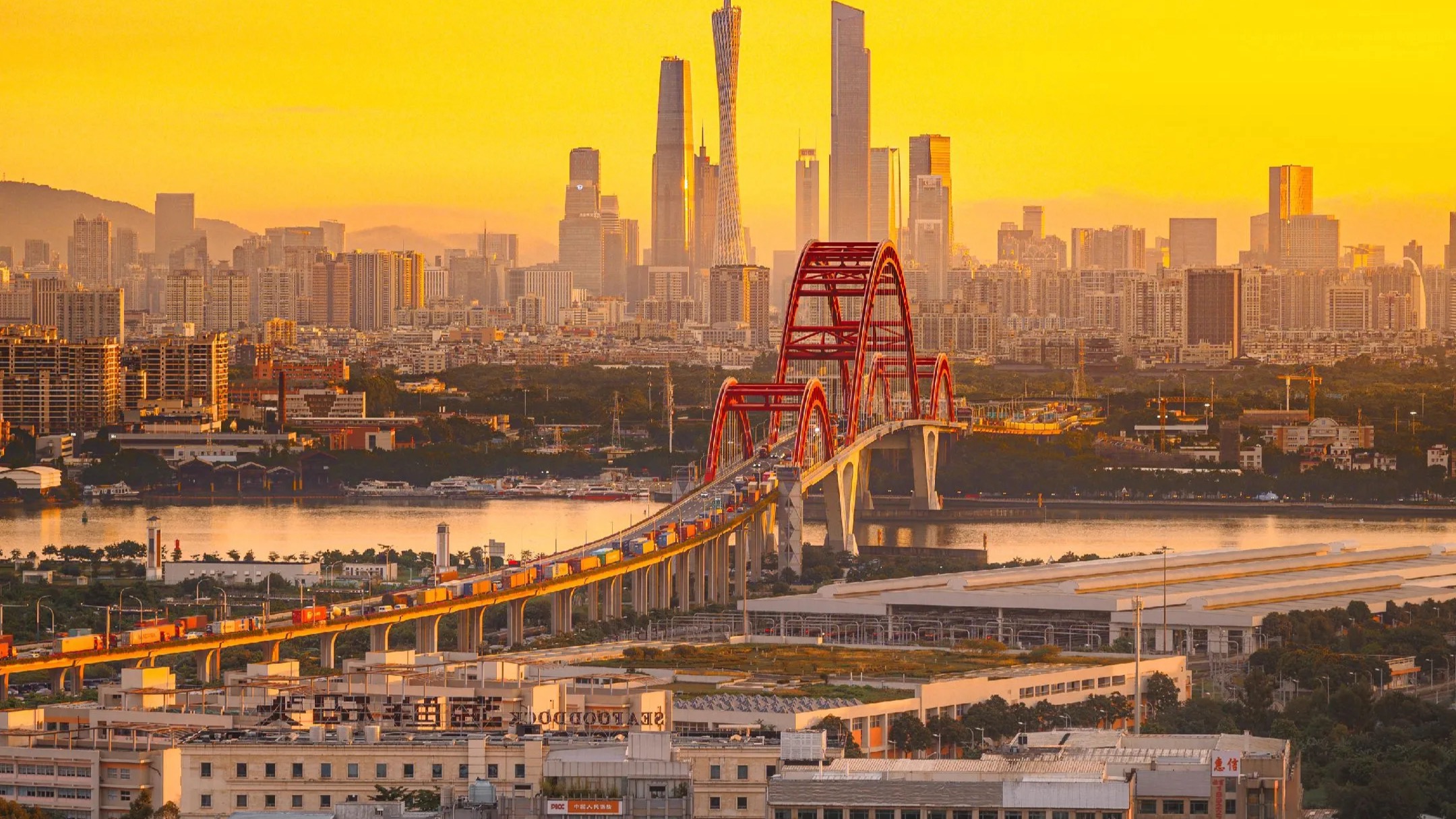
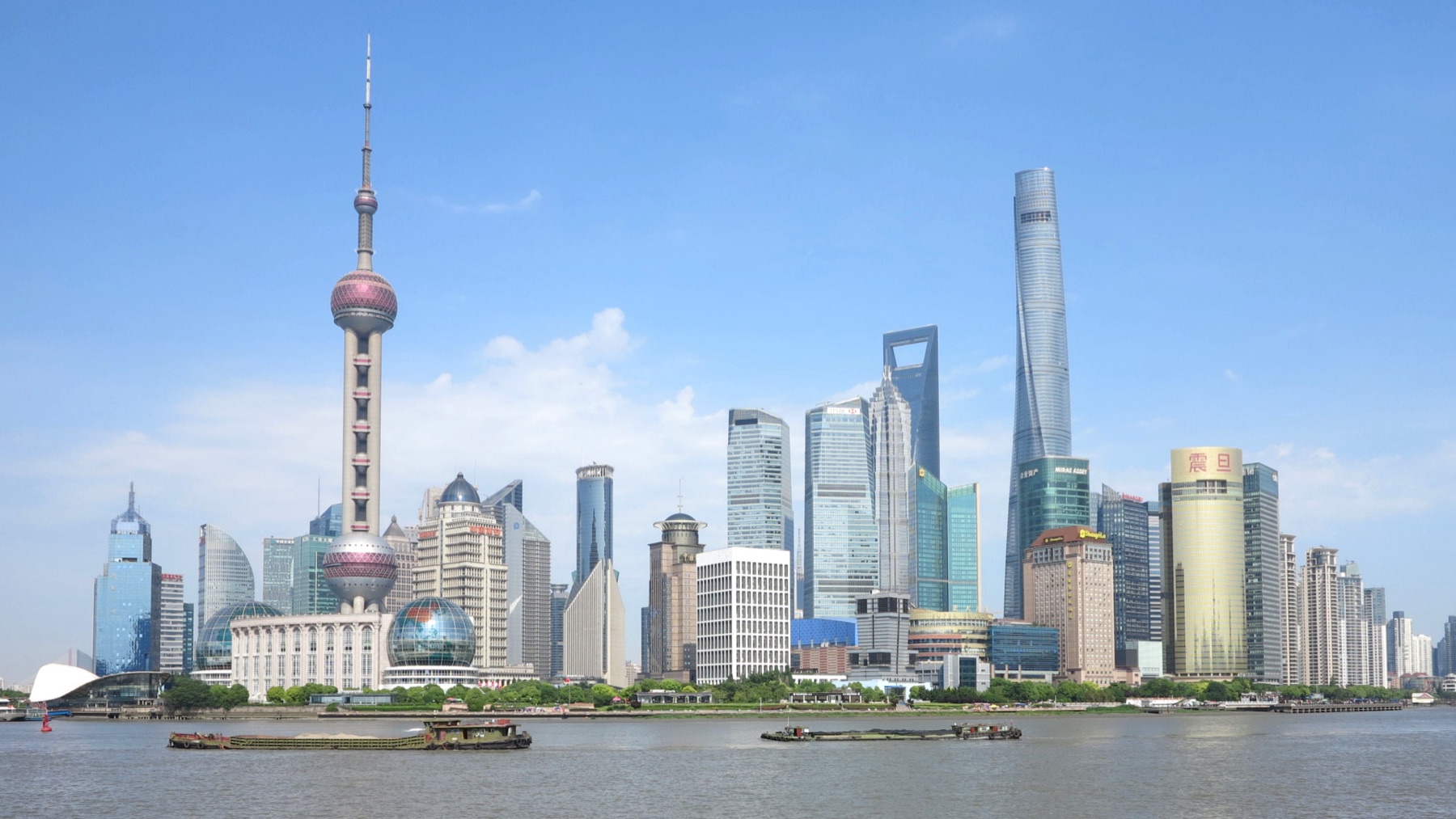
Choose Beijing for imperial history, major museums, the Great Wall, and a trip with a strong historical center. Choose Shanghai for a smoother urban landing, skyline, design, and efficient city days. Choose Chengdu for pandas, food, tea houses, and a slower rhythm. Choose Guangzhou for Cantonese food, warm weather, value, and a city that often feels more practical than ceremonial.
Beijing is the least forgiving of weak planning, but it may give a first China trip its clearest sense of consequence. Use the China city picker or compare Beijing, Shanghai, Chengdu, and Chongqing before deciding.
What Visitors Often Miss About Beijing
The capital is not only gates, power, and stone. Look at the breakfast window sending steam into cold air, the bicycle leaning against a gray wall, the thermos beside a park bench, and the neighborhood restaurant becoming noisy before dinner. Listen for singing under old trees. Notice how quickly a formal avenue gives way to a lane where someone is collecting a delivery.
These scenes do not compete with the monuments. They correct them. The monuments explain the capital. The smaller scenes explain why people live there.
Check Official Sources Before You Travel
Reservation rules, release times, accepted documents, opening arrangements, transport services, and visitor routes can change. Before departure, check the official Palace Museum ticketing page, the Beijing government reservation guide, the Mutianyu visitor notice, airport information, China Railway 12306, and the official payment guide linked below.
The official pages were checked for this article on July 23, 2026. The Beijing attraction-ticketing hub did not respond consistently during verification, so no claim in this guide relies on that hub alone.
Final Thoughts
Beijing can be tiring before it becomes beautiful. A reservation may fail. A gate may be farther away than expected. The wall may require more climbing, and the afternoon may hold less energy than the itinerary promised.
Then a courtyard gate opens, the Great Wall crosses another ridge, or evening light reaches the roofs below Jingshan. The preparation begins to make sense.
Beijing is not a city to conquer. It asks for patience, attention, and enough time to see what exists between the famous places.
Photo credits: Forbidden City rooftops by Danny Chen; Mutianyu Great Wall by Hongbin; hutong bicycle by Lance Chang; Temple of Heaven by apricot-tart; view from Jingshan Park by shawnie yang. All five photographs are used under the Unsplash License and were downloaded on July 23, 2026.
Official and platform sources used
- Foreigner's Guide to Travelling in Beijing The People's Government of Beijing Municipality
- Beijing Attraction Ticketing Guide The People's Government of Beijing Municipality
- The Palace Museum Official Ticketing The Palace Museum
- The Palace Museum International Visitor Information The Palace Museum
- Which Attractions in Beijing Still Require Reservations? The People's Government of Beijing Municipality
- Mutianyu Great Wall Notice to Visitors Mutianyu Great Wall Scenic Area
- Beijing Airport Visitor Information The People's Government of Beijing Municipality
- China Railway 12306 English Site China Railway 12306
- Guide to Payment Services in China The State Council, The People’s Republic of China