Explore
Shanghai Travel Guide for First-Time Visitors: Skyline, Old Streets and Easy First Steps
A practical and human Shanghai travel guide for first-time visitors to China, covering the Bund, Yu Garden, French Concession walks, food, transport, payment, where to stay and common mistakes.
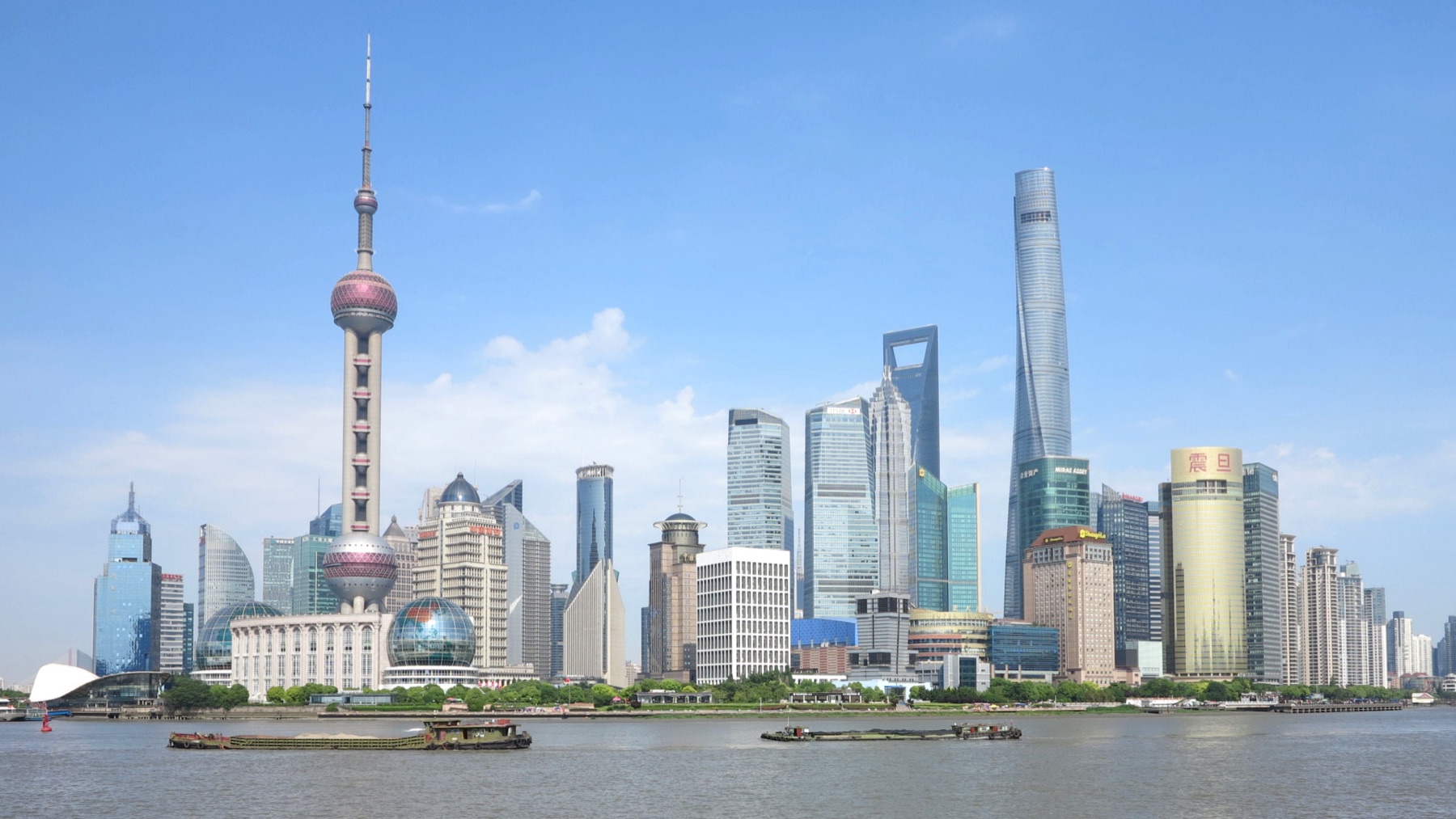
Shanghai is one of the easiest Chinese cities for first-time visitors to enter, understand, and enjoy. It has a dramatic skyline, efficient metro, international hotels, strong food options, riverside walks, museums, old neighborhoods, shopping streets, and enough English support to reduce some of the stress of a first China trip.
Quick Answer
Shanghai is a strong first-China city if you want a soft landing: skyline views, reliable metro access, museums, shopping, food, and a big-city rhythm that many visitors can read quickly.
But Shanghai is not only a skyline city. The best first visit usually mixes both sides: one evening on the Bund, one slow walk through the former French Concession, one visit to Yu Garden or the Old City, one museum or art stop, and enough time to simply feel the city moving around you.
For most first-time visitors, Shanghai deserves 2 to 4 days. Two days is enough for the Bund, Pudong, Yu Garden, and a neighborhood walk. Three days feels more balanced. Four days gives you time for museums, food, a slower city walk, or a day trip by train.
If Beijing feels ceremonial and Chengdu feels relaxed, Shanghai feels like China looking outward. It is polished, fast, confident, and sometimes easier than visitors expect. That does not mean everything is simple. You still need payment apps, mobile internet, translation help, and a backup plan. But as a first step into China, Shanghai is one of the most forgiving cities you can choose.
If you are still deciding where to go first, try the China city picker or read our guide to which Chinese city to visit first.
Why Shanghai Is a Good First City in China
Shanghai is often the easiest Chinese city for first-time visitors because it gives you a soft landing.
The metro is extensive. Airport access is strong. The hotel scene is broad. Many restaurants in central areas are used to foreign visitors. The Bund, Nanjing Road, Yu Garden, Xintiandi, Tianzifang, Wukang Road, and major museums are relatively simple to organize into a short itinerary.
That matters more than people think. A first China trip can be tiring before it even becomes exciting. You may be setting up Alipay, checking whether WeChat Pay works, learning QR menus, adjusting to Chinese maps, saving hotel addresses in Chinese, and figuring out how train stations work. Shanghai does not remove those challenges, but it often makes them easier to survive.
Shanghai is also visually immediate. You do not need deep historical knowledge to feel something on the Bund at night. You stand by the river, look across at Pudong, and the city explains itself in lights.
But Shanghai should not be reduced to convenience. The city has layers: the old treaty-port architecture along the Bund, the polished towers of Lujiazui, the garden walls around Yu Garden, the plane trees of the former French Concession, the lane-house texture of older neighborhoods, and the new appetite for coffee, galleries, design, and food.
Shanghai is a gateway city, but a real one.
Who Should Visit Shanghai?
Shanghai is a strong choice if you want your first China city to feel manageable.
You will probably like Shanghai if:
- You want a dramatic skyline and easy riverfront views.
- You care about food, coffee, design, museums, shopping, or architecture.
- You want strong metro access and many hotel options.
- You are nervous about language and logistics on a first China trip.
- You plan to combine Shanghai with Suzhou, Hangzhou, Beijing, Chengdu, or Hong Kong.
- You want a modern Chinese city that still has older streets and local neighborhoods.
Shanghai may not be your best first choice if:
- You mainly want imperial history and ancient monuments.
- You dislike big cities.
- You want mountains, dramatic nature, or slow tea house culture.
- You expect Shanghai to feel cheap.
- You only want the old-China image from films and postcards.
Shanghai is best for travelers who enjoy contrast: old and new, local and international, fast and quiet, glass towers and shaded streets.
How Many Days Do You Need in Shanghai?
For a first visit, 3 days is the most comfortable choice.
2 days in Shanghai
Two days works if Shanghai is your entry or exit city. Spend one day around People’s Square, Nanjing Road, the Bund, and Pudong. Spend the other around Yu Garden, the former French Concession, Xintiandi, or a museum. This gives you the essential Shanghai contrast, but it can feel compressed.
3 days in Shanghai
Three days is better. You can give one day to the Bund and Pudong, one day to old streets and neighborhoods, and one day to museums, food, shopping, or a short side trip. Three days also gives you room for a slow morning after a long flight, which is more valuable than adding one more attraction.
4 days or more
Stay longer if you want to use Shanghai as a base. Suzhou, Hangzhou, and nearby water towns are possible by train or organized day trip. A longer stay also lets you see how Shanghai changes between weekday mornings, rainy afternoons, and neon evenings.
Best Things to Do in Shanghai
1. Walk the Bund at night
The Bund is the one Shanghai experience that almost everyone should do.
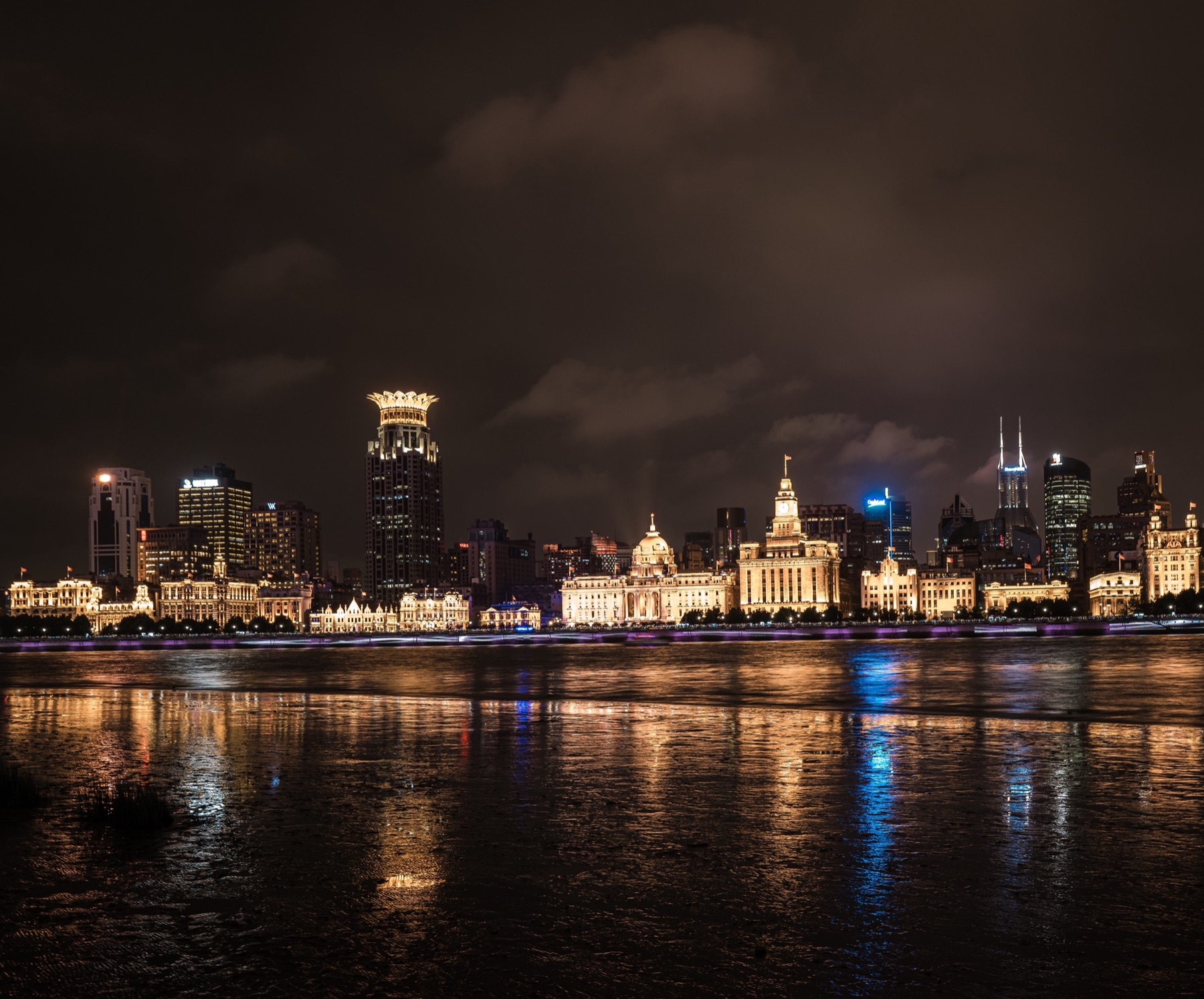
Go at night if you can. The historic buildings on one side and the Pudong skyline across the river create a view that feels almost unreal the first time. It is not subtle, and it does not need to be. Shanghai is showing you its public face: confident, bright, a little theatrical.
Do not rush it. Walk slowly along the river. Look back at the old buildings, then across at the towers. Notice how many people are doing the same thing: visitors taking photos, couples leaning on the railing, families moving in groups, people trying to get one clean skyline shot before someone walks through the frame.
The Bund can be crowded, especially during weekends and holidays. That does not ruin it. Crowds are part of the experience. But keep your phone secure, choose a clear meeting point if traveling with others, and avoid trying to do complicated logistics in the middle of the busiest viewing spots.
2. Cross to Pudong for the skyline from the other side
Pudong is the Shanghai that appears in posters: Oriental Pearl Tower, Shanghai Tower, Jin Mao Tower, Shanghai World Financial Center, and the glassy business district of Lujiazui.
You do not need to go up every tower. For many first-time visitors, simply walking around Lujiazui, looking back toward the Bund, and choosing one observation deck or riverside view is enough.
The important thing is to see both sides of the river. From the Bund, Pudong looks futuristic. From Pudong, the Bund looks historic and almost European. Shanghai makes more sense when you stand on both banks.
If the weather is foggy or rainy, think carefully before paying for an observation deck. The view may disappear into gray. Shanghai is beautiful in mist, but a clouded observation deck can be disappointing.
3. Visit Yu Garden and the Old City, but know what you are visiting
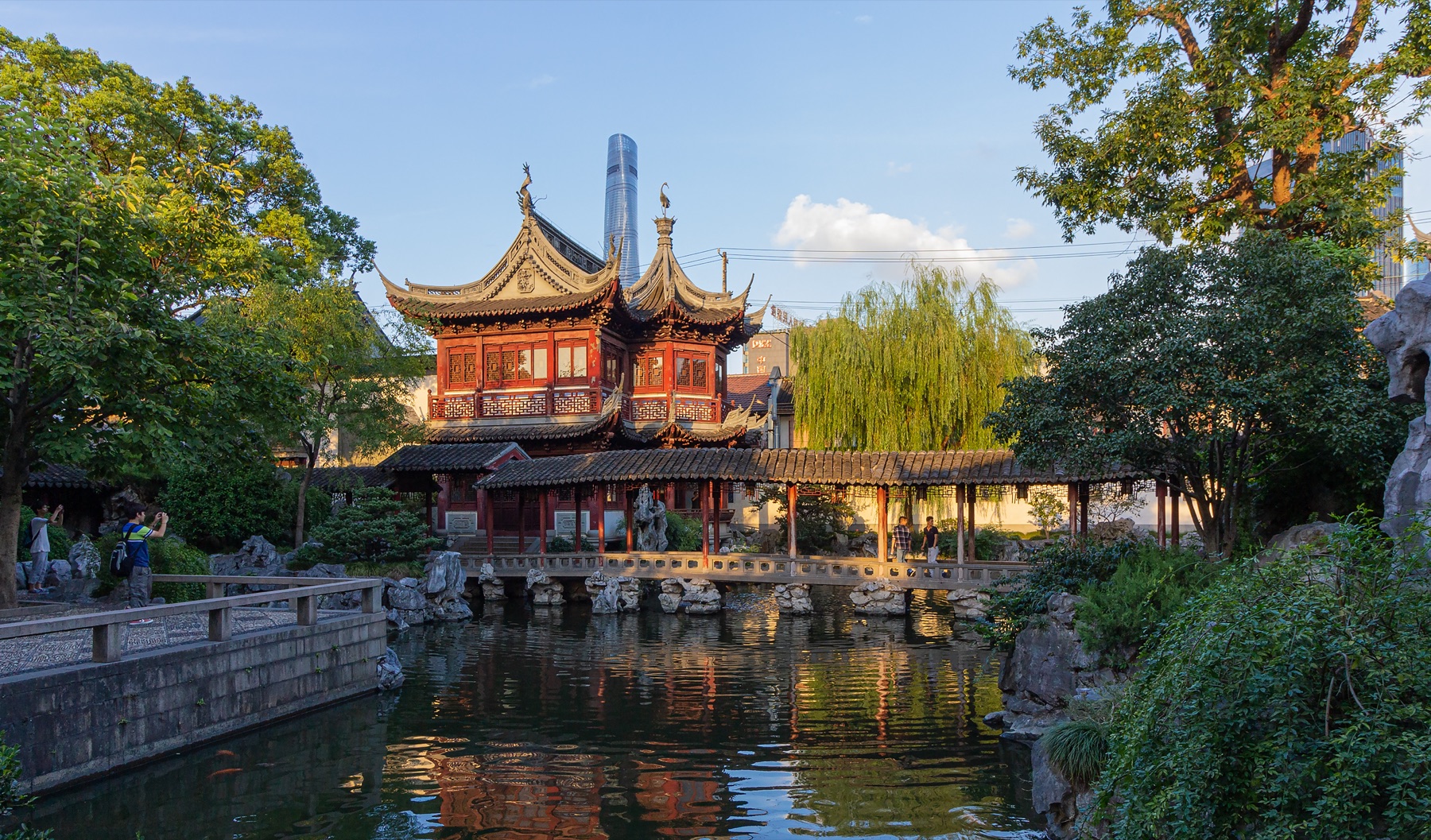
Yu Garden is one of Shanghai’s most famous traditional sights. It has classical garden architecture, ponds, rockeries, pavilions, and a feeling very different from the Bund.
The surrounding Yuyuan area is also one of the most tourist-heavy parts of the city. It can be crowded, commercial, and full of snack shops and souvenir stalls. That does not mean you should skip it. It means you should separate the garden from the bazaar in your mind.
The garden itself is a ticketed classical space. The surrounding area is a busy visitor district. Both can be interesting, but they are not the same experience.
Go early if you want a calmer visit. Give yourself time to actually look at the garden details rather than only walking through for photos. If you are tired, crowded, or hungry, the area can feel overwhelming. A slower visit works better.
4. Walk through the former French Concession
If the Bund is Shanghai’s public face, the former French Concession is where many visitors begin to like the city more personally.
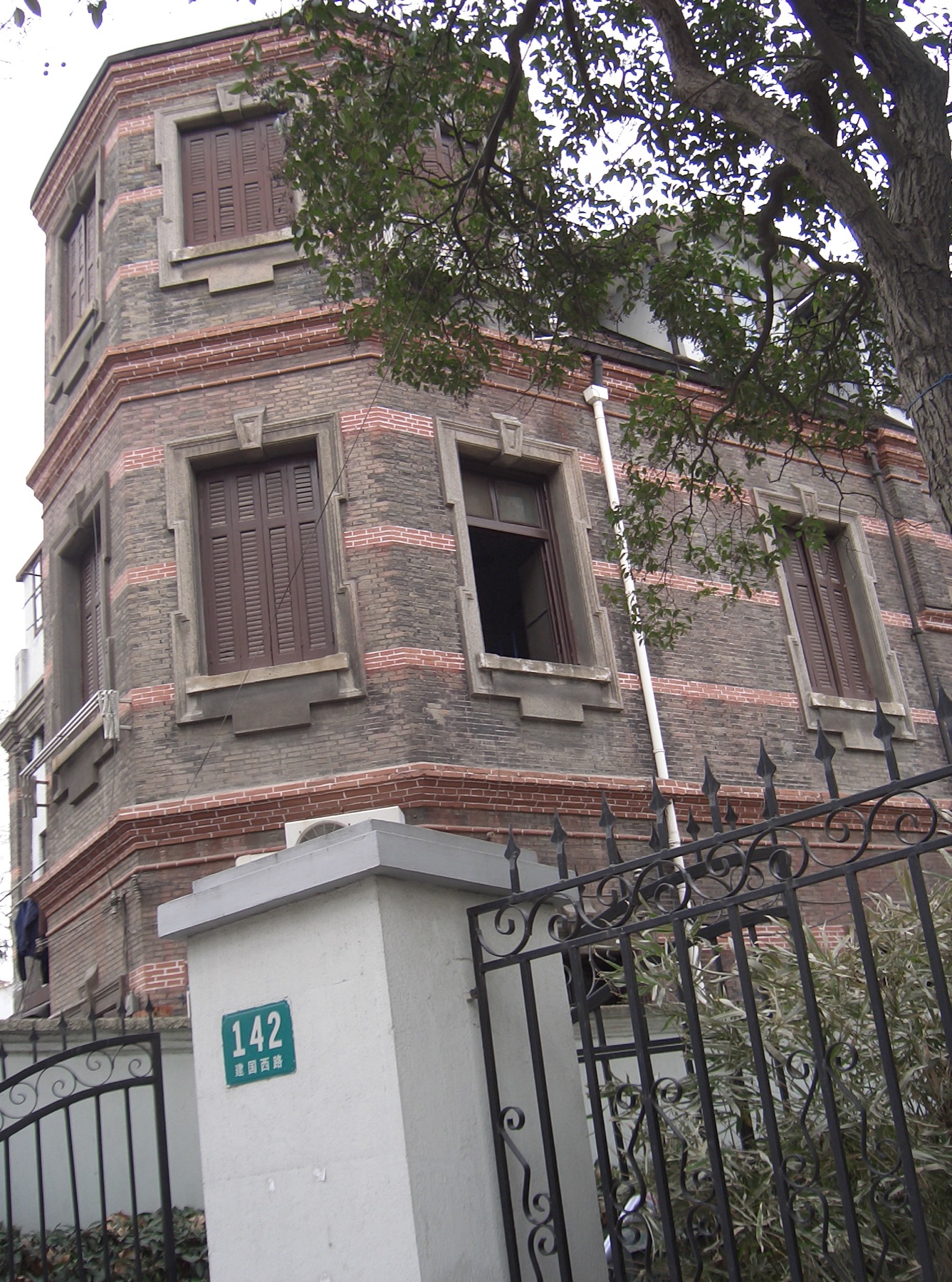
The streets are softer here. Plane trees shade the roads. Old houses, cafes, boutiques, bakeries, galleries, and quiet residential corners sit close to one another. It is not untouched history, and some areas are very commercial, but the neighborhood rewards walking.
Wukang Road, Anfu Road, Fuxing Road, Sinan Road, and nearby streets are good starting points. Do not treat them as a checklist. Choose an area, walk slowly, stop for coffee or lunch, and look at the buildings.
This is also where Shanghai feels less like a mega-city and more like a series of rooms. One street is busy, the next is calm. One corner looks international, another suddenly feels local. The pleasure is in moving between them.
5. Spend an evening on Nanjing Road
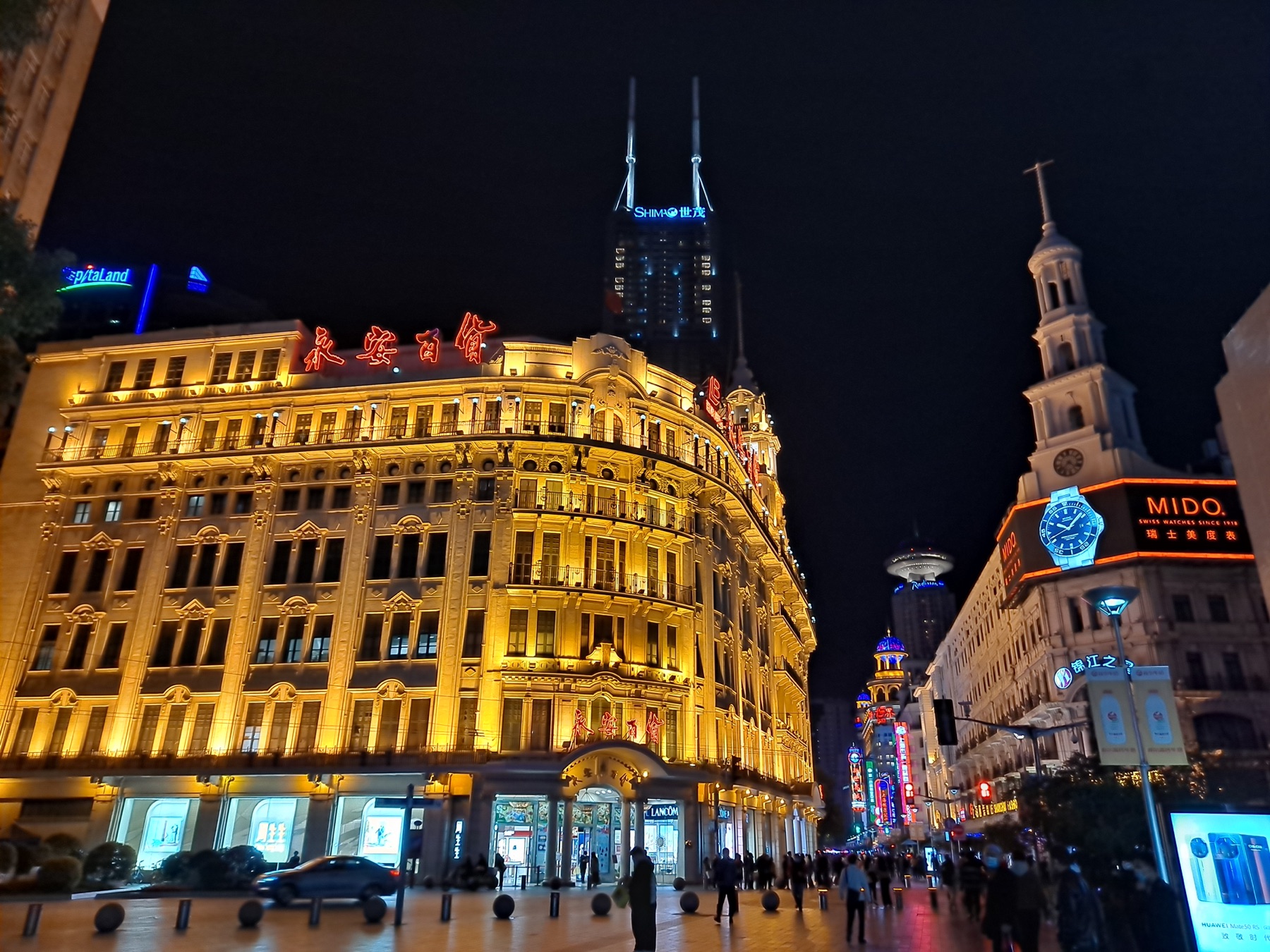
Nanjing Road is bright, commercial, and crowded. It is not subtle. It is also useful for first-time visitors because it connects shopping, lights, hotels, food, People’s Square, and the Bund in a way that is easy to understand.
You do not need to shop. Walk it as a city experience. Watch the signs, the crowds, the old department-store energy, the tourists, the families, the people taking night photos. Then continue toward the Bund if you still have energy.
If you dislike crowds, do not build your whole evening around Nanjing Road. Use it as a short walk rather than the main event.
6. Choose one museum or art stop
Shanghai is a strong museum and exhibition city. The Shanghai Museum is one of the most important options for Chinese art and history, and the city also has major contemporary art spaces, design exhibitions, and commercial galleries.
Do not try to see every museum. Choose one based on your interest and current exhibitions.
Before visiting, check the official museum website for opening hours, reservation rules, branch location, and last-entry time. Some museums have more than one site, and special exhibitions can change crowd levels or ticket requirements.
7. Consider one side trip if you have extra time
Shanghai is a useful base for nearby trips.
Suzhou is good for classical gardens and canals. Hangzhou is good for West Lake and a softer landscape feel. Some water towns are pretty but can be very touristy, especially on weekends and holidays.
Do not force a side trip into a two-day Shanghai stay. If this is your first time in China, one relaxed day inside Shanghai may be more valuable than a rushed train trip just to say you went somewhere else.
A Simple 3-Day Shanghai Itinerary
Day 1: Arrival, Nanjing Road, and the Bund
Keep the first day simple, especially if you arrive after a long flight.
Check in, set up mobile data, confirm your payment apps, save your hotel address in Chinese, and take the metro or a taxi to a central area when you are ready.
In the late afternoon or evening, walk Nanjing Road toward the Bund. Let the skyline be your first big Shanghai moment. Do not schedule too much after this. A simple dinner and a riverside walk are enough.
Day 2: Yu Garden, Old City, and Pudong
Start with Yu Garden in the morning before the area gets too crowded. Walk through the surrounding Yuyuan bazaar, but do not expect it to be quiet or purely local.
In the afternoon, cross toward Pudong or Lujiazui. Choose one viewpoint, riverside walk, or observation deck depending on weather and energy.
At night, look back across the river. Shanghai is a city that enjoys being seen from both sides.
Day 3: Former French Concession, museum, and food
Use your third day for the slower Shanghai.
Walk through the former French Concession. Stop for coffee, lunch, a bakery, a small shop, or a quiet residential street. Then choose a museum, gallery, or Xintiandi depending on your interests.
This is the day that keeps Shanghai from becoming only skyline photos.
Best Time to Visit Shanghai
Spring and autumn are usually the easiest seasons for first-time visitors. The weather is milder, walking is more pleasant, and outdoor areas like the Bund, Yu Garden, and the former French Concession are easier to enjoy.
Summer can be hot, humid, and tiring, especially if you plan to walk a lot. Afternoon storms can happen, and crowded attractions may feel more exhausting. Winter can be cold and damp, but the city still works well for museums, food, shopping, cafes, and evening lights.
Chinese public holidays can make Shanghai much busier. National Day, Spring Festival, Labor Day, and school holiday periods may affect hotels, train tickets, museums, and popular attractions. If your dates overlap with a major holiday, book earlier and keep the itinerary lighter.
Shanghai is a year-round city, but it rewards comfortable walking weather.
What to Eat in Shanghai
Shanghai food is not as fiery as Chengdu or Chongqing. It is often sweeter, richer, and more delicate than visitors expect.
Start with:
- Xiaolongbao, soup dumplings
- Shengjianbao, pan-fried soup buns
- Scallion oil noodles
- Braised pork belly
- Fried pork chop with rice cakes
- Hairy crab in season, if you are interested and understand the timing
- Local wontons
- Soy milk and breakfast snacks
- Modern cafes, bakeries, and fusion restaurants
The most famous food mistake is treating xiaolongbao like a normal dumpling. They are hot inside. Bite too quickly and you may burn your mouth or lose the soup. Pick one up gently, place it on a spoon, make a small opening, let steam escape, then eat.
Shanghai is also a good city for visitors who are nervous about food. Central areas have more international options than many Chinese cities. That can be useful on a long trip. You do not need every meal to be adventurous.
Where to Stay in Shanghai
For first-time visitors, location matters more than hotel style.
People’s Square / Nanjing Road
This is the easiest area for many first-time visitors. You are close to the metro, Nanjing Road, museums, shopping, and the Bund. It can feel busy and touristy, but logistics are simple.
The Bund / East Nanjing Road
Choose this if skyline views and classic Shanghai atmosphere matter most. It can be more expensive, but the evening walks are excellent.
Former French Concession / Xintiandi
This area is better if you want cafes, quieter streets, restaurants, boutiques, and a more neighborhood-like feel. Check metro distance carefully before booking.
Lujiazui / Pudong
Good for business travelers, skyline hotels, and some families, but it may feel less atmospheric for a first leisure visit unless you specifically want to stay among the towers.
A practical rule: choose a hotel near a metro station. In Shanghai, that often matters more than chasing a trendy address.
Practical Tips for Shanghai
Payment
Prepare Alipay before arrival and keep WeChat Pay as a backup if possible. Shanghai is one of the easier Chinese cities for mobile payment, but foreign card support and account setup can still vary.
Read the China payment guide before you fly.
Internet and maps
You will need mobile data for maps, translation, ride-hailing, QR menus, and payments. Set up roaming, an eSIM, or another internet plan before arriving.
Read our guide to best apps for traveling in China.
Metro and transport
Shanghai’s metro is one of the best reasons the city works well for first-time visitors. It is extensive, clear by Chinese big-city standards, and useful for most central sights.
The Maglev can be interesting if you arrive at Pudong Airport and want to try it, but it does not take you all the way into every hotel district. Check whether Longyang Road transfer makes sense for your route.
Airports
Shanghai has two major airports: Pudong and Hongqiao. Pudong handles many international flights, while Hongqiao is useful for some domestic flights and high-speed trains. Always check which airport or station your booking uses. Do not assume they are interchangeable.
Language
English support is better than in many Chinese cities, but not universal. Save your hotel address in Chinese, keep screenshots of bookings, and use translation apps in restaurants or taxis.
Trains and day trips
If you plan to visit Suzhou, Hangzhou, or another city, understand which Shanghai railway station your train uses. Shanghai has multiple major stations.
Read the China high-speed rail guide if you are new to Chinese trains.
Common Mistakes First-Time Visitors Make in Shanghai
Mistake 1: Only seeing the skyline
The skyline is worth seeing, but Shanghai becomes more interesting when you also walk older streets, visit a museum, eat local breakfast, or sit in a quieter neighborhood.
Mistake 2: Underestimating distances
Shanghai is large. Two places may both look central but still take time to reach. Use the metro map and avoid stacking too many neighborhoods into one day.
Mistake 3: Visiting Yu Garden at the busiest time
Yu Garden and the surrounding area can become crowded. Go earlier if you want more breathing room.
Mistake 4: Booking the wrong airport or train station
Pudong, Hongqiao, Shanghai Railway Station, Shanghai South, and Shanghai Hongqiao Railway Station are not the same. Check names carefully.
Mistake 5: Assuming Shanghai means no culture shock
Shanghai is easier, not effortless. Payment, translation, QR ordering, app setup, and crowded transport still require preparation.
Mistake 6: Treating the former French Concession like one single attraction
It is not a gate-ticket sight. It is a walking area. Pick a few streets and let yourself wander.
Mistake 7: Planning too many side trips
Suzhou and Hangzhou are tempting, but if you only have two or three days, do not spend all of Shanghai on trains. Leave time for the city itself.
Shanghai vs Beijing, Chengdu, and Guangzhou
Choose Shanghai if you want the easiest first landing, skyline views, museums, shopping, metro convenience, and international comfort.
Choose Beijing if you want imperial history, the Great Wall, hutongs, and political-cultural scale.
Choose Chengdu if you want pandas, hotpot, tea houses, and a softer pace.
Choose Guangzhou if you care about Cantonese food, southern China, trade-city energy, and a more local urban rhythm.
Shanghai is often the best first stop for nervous travelers. It is not always the most emotionally intimate city in China, but it helps you get started.
What Locals Understand About Shanghai That Visitors Often Miss
Shanghai is not trying to be old in the way visitors sometimes expect Chinese cities to be old.
Its identity is movement: ships, banks, factories, cafes, newspapers, migrants, fashion, trade, cinema, finance, design, technology, and reinvention. The city’s charm is not only in preservation. It is in the way different eras keep touching each other.
You can feel it when you walk from a quiet lane to a luxury mall, from an old apartment block to a coffee shop, from the Bund’s stone buildings to Pudong’s towers. Shanghai does not ask you to choose between old and new. It lets them argue in the same afternoon.
That is why Shanghai is a good first city. It does not show you all of China. No city can. But it gives you a clear, bright doorway.
Check Official Sources Before You Travel
Before visiting Shanghai, check official or primary sources for:
- Shanghai official tourism and event information
- Museum opening hours, branch locations, and reservation rules
- Airport arrival and transfer information
- Maglev and metro updates if you plan to use airport rail
- China Railway 12306 if you plan side trips by train
- Current payment guidance for foreign visitors
- Public holiday dates and crowd-sensitive attraction notices
Opening hours, reservation systems, ticketing rules, and transport arrangements can change. Do not rely only on old blog posts or social media screenshots.
Related Guides
- China City Picker
- Beijing, Shanghai, Chengdu, or Chongqing: Which Chinese City Should You Visit First?
- Best Places to Visit in China for First-Time Visitors
- How to Pay in China as a Tourist
- Best Apps for Traveling in China
- How to Book High-Speed Train Tickets in China as a Foreigner
Final Thoughts
Shanghai is a good first-China city because it gives you confidence.
It lets you stand in front of the skyline and feel the scale of modern China immediately. Then it gives you smaller moments: a dumpling spoon, a shaded street, a museum room, a ferry crossing, a rainy evening on Nanjing Road, a quiet cafe behind a busy avenue.
Come for the view, but do not leave after the view.
Shanghai is not the whole story of China. It is the opening chapter many travelers need: bright, efficient, layered, and just familiar enough to help you step into somewhere unfamiliar.
Photo credits: Shanghai skyline from the Bund - CC0; The Bund at night - GillyBerlin, CC BY 2.0; Yu Garden - Stefan Fussan, CC BY-SA 3.0; East Nanjing Road at night - EditQ, CC BY-SA 4.0; Former French Concession building - pfctdayelise, CC BY-SA 2.5.
Official and platform sources used
- Travel in Shanghai - Shanghai Municipal Government Shanghai Municipal Government
- Shanghai Travel Guide - Meet in Shanghai Shanghai Municipal Administration of Culture and Tourism
- Shanghai Museum Shanghai Museum
- Shanghai Airport Official Website Shanghai Airport Authority
- Shanghai Maglev - Shanghai Airport Official Information Shanghai Airport Authority
- China Railway 12306 English Site China Railway 12306
- Guide to Payment Services in China The State Council, The People’s Republic of China